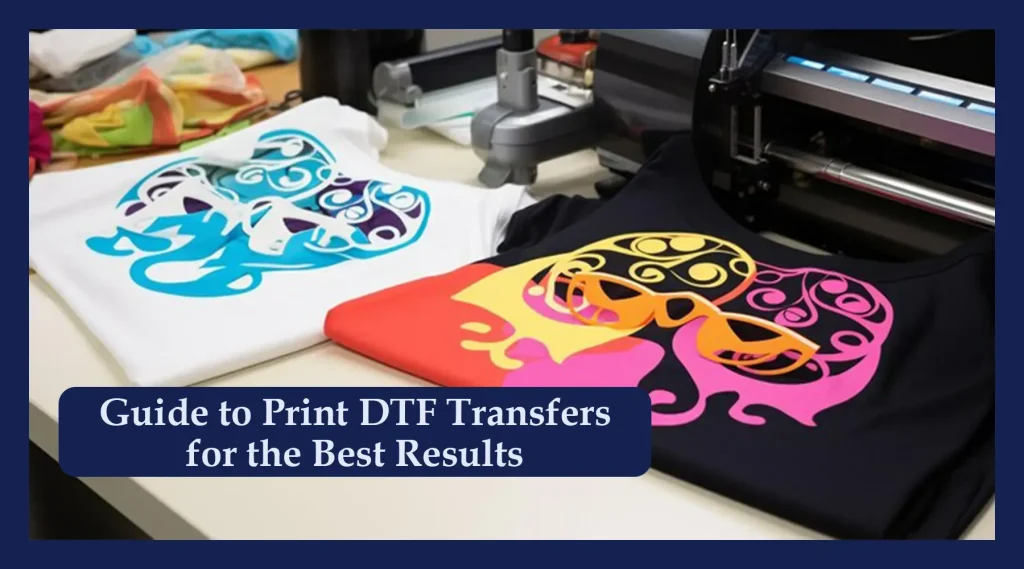
DTF transfers have emerged as a popular option for decorating apparel and fabrics, delivering vibrant color and a flexible workflow for on-demand production. As demand for on-demand, small-batch printing grows, many shops weigh DTF vs screen printing and other traditional methods. A key benefit is the DTF transfer advantages, including simpler setup for short runs and the ability to reproduce complex, multicolor designs. Industry comparisons also consider DTF printing durability across fabrics and finishes to gauge long-term performance. Cost considerations, such as the cost of DTF transfers and ongoing consumables, help determine whether this method fits a project’s budget.
From a terminology perspective, this film-based decoration technique is frequently discussed using alternative terms such as direct-to-film printing, inkjet-on-film, and adhesive-powder transfers, all pointing to a digital-to-fabric workflow. In practice, it involves printing onto a clear PET film, applying a curing powder, and transferring the image to fabric with heat and pressure. This LSI-informed framing also invites related concepts like garment decoration via film transfer, fabric printing on film substrates, and multi-color graphics that highlight color fidelity and versatility. Compared with traditional methods, the emphasis is on rapid setup, compatibility with diverse fabrics, and the ability to produce short runs with full-color detail. As adoption grows, readers can map these terms to practical outcomes such as durability, soft hand feel, and cost considerations for different materials.
DTF Transfer Advantages for Small Runs and On-Demand Printing
DTF transfer advantages shine for designers and businesses that need quick responses and low upfront risk. Because there are no screens to create and store, you can print small batches, samples, or even single-copy orders without the typical setup costs that come with traditional screen printing. This makes DTF ideal for e-commerce stores, limited editions, and promotional campaigns where variety matters more than volume.
The workflow is straightforward: design, print, powder, cure, and transfer. This simplicity, combined with strong color reproduction and compatibility across fabrics, helps teams iterate rapidly. For outfits that require diverse materials or fast-turnaround timelines, DTF transfers offer a flexible path from concept to customer.
DTF vs Screen Printing: Color, Detail, and Operational Differences
When comparing DTF transfers to screen printing—DTF vs screen printing—you’ll notice fundamental differences in setup, scalability, and color handling. Screen printing excels at bold, opaque colors on textiles and becomes cost-effective only after reaching higher volumes, where per-unit costs drop due to multiple screens being amortized over many prints.
DTF, by contrast, handles complex images with fine detail and smooth gradients more readily, without the time sink of color separations for each screen. This makes DTF particularly attractive for designs that require photorealism or multi-color photography, while traditional printing methods compared to DTF reveal a trade-off between hard-wearing layers and the flexibility to run small, varied orders.
DTF Printing Durability Across Fabrics and Washes
DTF printing durability depends on fabric type, adhesive formulation, and proper curing. In many cases, a well-cured DTF transfer will withstand regular washing, but adhesion and hand feel can vary with abrasive fabrics or unusual blends. Testing on target fabrics helps ensure the durability you expect in real-world wear.
To maximize longevity, calibrate heat press settings and dwell time for each garment type, and follow post-transfer curing recommendations. Clear wash-care instructions for customers also help preserve image quality, especially on cotton blends and performance fabrics where the bonding characteristics can differ from standard cotton or polyester alone.
DTF Transfers: Cost Considerations and What Drives the Price
Understanding the cost of DTF transfers involves more than just the price tag on film and ink. You must account for consumables like adhesive powders, the reliability and maintenance of your printer, film handling equipment, and the heat press itself. All of these factors contribute to the total cost of DTF transfers over the life of your setup.
While upfront costs can be higher than a simple heat transfer, DTF often saves money on small runs by eliminating screen setup and allowing faster turnaround. In scenarios with frequent design changes, mixed SKUs, or on-demand orders, the long-term cost benefits of DTF transfers can outweigh the initial investment, especially when compared with the per-unit costs of traditional printing methods at small volumes.
Traditional Printing Methods Compared to DTF: When to Choose Which
Traditional printing methods are a strong baseline for many shops, especially in large-volume runs. Screen printing, for example, can deliver lower per-unit costs at scale and a reliable hand feel when properly executed, making it a staple for bulk orders and designs with limited color counts.
However, when you weigh traditional printing methods compared to DTF, you’ll find valuable flexibility in DTF for small runs, complex imagery, and a wider range of fabrics. If your project requires on-demand customization, rapid design iteration, or intricate color work on varied materials, DTF transfers provide a compelling alternative that can complement or, in some cases, replace traditional methods depending on order size, fabric, and desired finish.
Frequently Asked Questions
DTF transfer advantages: how do they compare to screen printing and other traditional printing methods?
DTF transfers offer several advantages over traditional printing methods: no screen setup, which reduces upfront costs and enables quick changes for small runs; excellent color reproduction and detail; compatibility with a wide range of fabrics; a simple workflow suitable for small teams; and strong handling of multi-color designs.
DTF printing durability: how durable are DTF transfers on different fabrics and finishes?
DTF printing durability is solid on many fabrics when properly cured, with wash durability that holds across cotton, blends, and some poly fabrics. Durability can vary with fabric type, film quality, and heat-curing consistency; ensure proper curing and post-transfer care.
Cost of DTF transfers: how do expenses compare to traditional printing methods?
DTF transfers can reduce upfront costs due to no screen setup and are cost-efficient for small runs and on-demand projects. However, ongoing costs for ink, powders, films, and maintenance can be higher per unit than traditional screen printing on large volumes. Overall, DTF is often more economical for short runs, while screen printing can be cheaper for large-scale production.
DTF vs screen printing: what design and run sizes suit each method?
DTF shines for small to medium runs and designs with many colors and fine details, since it avoids color separations and screens. Screen printing remains the go-to for high-volume orders with simpler color needs, offering lower per-unit costs once setup is amortized. DTF also works well on darker fabrics due to opaque white ink.
When should you choose DTF transfers over traditional printing methods?
Choose DTF transfers for on-demand customization, diverse fabrics, and complex multi-color designs, especially on dark garments and blends. For large-volume orders with a single design and the softest hand feel, traditional methods like screen printing or dye sublimation may be more cost-effective.
| Topic | Key Points |
|---|---|
| What are DTF transfers and how they work? | DTF transfers are created by printing on a breathable PET film with specialized inkjet ink, applying adhesive powder, curing to form a film, and transferring with heat. The result is a vibrant, durable image that doesn’t require making screens for each color, simplifying multi-color designs and short runs. |
| Key factors in the DTF process | Important elements include ink compatibility with the film, precise powder application, proper curing, accurate heat and time settings, and post-transfer curing to ensure wash durability. The transfers are polyester-based and suitable for a wide range of fabrics (cotton, blends, some polyesters), offering versatility for varied garment offerings. |
| Pros of DTF transfers |
|
| Cons of DTF transfers |
|
| DTF transfers vs traditional printing methods |
|
| When to choose DTF transfers |
|
| When not to choose DTF transfers |
|
| Practical considerations for success with DTF transfers |
|
Summary
Conclusion