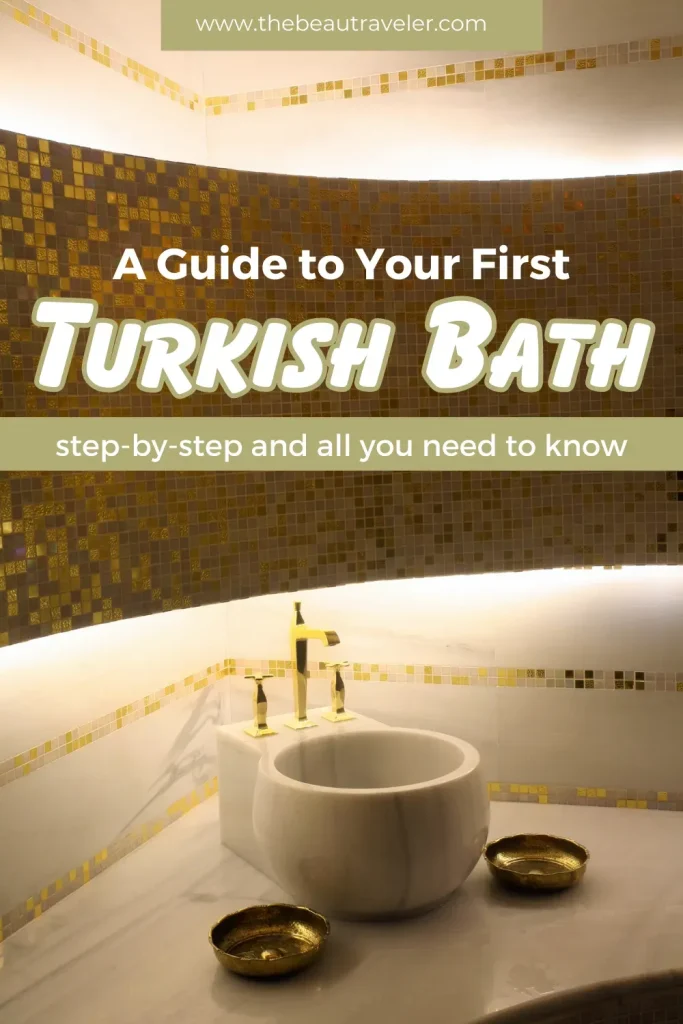
Turkish bath steps invite you to a ceremonial spa journey—part cleansing, part Turkish bath ritual, and part meditative ritual that invites you to slow down, breathe deeply, and observe the scent of olive oil and steam reverberating through marble walls. As a practical Hamam guide designed for both first-timers and returning visitors, this introduction explains what to expect, what to bring, and how to participate with respectful pace while you soak in the history, the sound of water, and the calm. Respectful Hamam etiquette governs every choice—from how you wrap your body and when you remove jewelry to how you converse in the steam rooms, how attendants are addressed, and how you share the space with other guests. Exfoliation in a Hammam is highlighted as a transformative step that opens pores, lifts dull skin, and prepares the body for moisture, often paired with kese scrubs, olive oil soaps, and a careful scrub that leaves the skin velvety. The enveloping Turkish steam bath atmosphere—soft lighting, warm stone, and a quiet, respectful ambience—helps ease tension, promote circulation, and leave you with a balanced sense of well-being that lingers long after the session ends.
The topic can also be framed as a hammam experience, a bathhouse ritual, or a ceremonial steam bath tradition that blends cleansing, heat, and touch. In practical terms, the procedure generally progresses from ambient warmth to more intense heat, with cleansing, scrubbing, and massage following the same underlying pattern that makes this experience universally recognizable. From an LSI perspective, related phrases such as kese exfoliation, olive oil cleansing, and soap massage help search engines connect the concept to broader spa and wellness topics. Ultimately, the aim remains a refreshed skin, relieved muscles, and a calmer mind, achieved through mindful participation in this traditional steam-bath ritual that travelers and locals alike celebrate.
Turkish bath steps: A structured guide from entry to massage
The Turkish bath steps offer a structured path that helps first-timers and returning visitors navigate from entry to massage with confidence. Framed by a traditional Hamam guide, this sequence emphasizes atmosphere, timing, and mindful participation as part of the Turkish bath ritual.
By understanding each stage—entry, warmth, exfoliation, and massage—you can optimize comfort, safety, and enjoyment while honoring the cultural practice. This structured approach also supports smoother participation in exfoliation and massage services, ensuring you experience the full benefits of the bath experience.
Hamam etiquette and preparation: what to expect at the entrance
At the entrance, guests are welcomed with a towel and pestemal, a locker or changing space, and a brief orientation from staff. This is the moment to start embracing Hamam etiquette and to understand the flow of activities for the day.
This is also where you align with common Hamam etiquette: arrive hydrated, patient, and ready to participate in the ritual with respect for others and the space. If unsure about wraps, jewelry, or quiet zones, consult the Hamam guide or staff for guidance to ensure a respectful, comfortable start.
The warmth and steam: navigating the Turkish steam bath for comfort
The heart of the experience unfolds in the warmer rooms where heat opens pores and begins the cleansing process. The Turkish steam bath environment—marble surfaces, soft lighting, and the hiss of steam—encourages relaxation and safe movement between spaces.
Stay hydrated and listen to your body. If the heat feels intense, step back to a cooler area or adjust your wrap. This phase prepares you for exfoliation and massage, while reinforcing a calm, meditative mood that enhances the overall Turkish steam bath experience.
Cleansing and exfoliation: Exfoliation in a Hammam with the Kese
Cleansing and exfoliation (Kese) is a defining moment in the Hamam guide. A staff member applies olive oil-based soap or traditional black soap and then uses a kese—firm but comfortable strokes—to lift dead skin and smooth the surface.
Exfoliation in a Hammam respects the skin’s integrity. Communicate sensitivity, adjust pressure as needed, and anticipate a gentle rinse to wash away loosened skin cells as you transition toward the next stage of the Turkish bath ritual.
Massage, rinse, and rest: completing the Turkish bath ritual
After cleansing and exfoliation, a massage eases lingering tension and promotes circulation. Therapists may use long, gliding strokes with warm soap to hydrate the skin, offering options from light relaxation to deeper work based on preference.
The final rinse, rest, and hydration complete the Turkish bath ritual. A warm or cool shower, followed by a quiet lounge and a cup of tea, help you absorb the benefits and return to daily life while honoring space and fellow guests with mindful Hamam etiquette.
Frequently Asked Questions
In the Turkish bath steps, what should I expect during Step 1: Entry and Preparation, and how does a Hamam guide help?
Step 1 involves arrival and orientation: reception, towel and pestemal, locker, and staff briefing on the day’s sequence. A Hamam guide helps you choose the right wrap, clothing, and to note any health considerations, ensuring you start calmly and safely. Hydration and patience are encouraged as you acclimate to the steam and heat.
How does Exfoliation in a Hammam fit into the Turkish bath steps and the Turkish bath ritual?
Step 3 centers on cleansing and exfoliation using a kese and soap. Exfoliation in a Hammam removes dead skin, boosts circulation, and prepares the skin for moisture. Tell the attendant if you have sensitivities so pressure can be adjusted, then rinse away loosened skin and soap.
What etiquette should I follow in the Turkish steam bath to maintain proper Hamam etiquette?
Throughout the Turkish steam bath, practice Hamam etiquette: wrap appropriately, remove jewelry, speak softly, and follow staff guidance. Keep noise low in steam rooms, hydrate frequently, and respect personal space and cultural norms for modesty and conduct.
During the Turkish bath ritual, what massage techniques are common in Step 4, and how does soap contribute to the massage?
Step 4 often features long, soothing massage strokes that ease tension and improve circulation, sometimes with a warm layer of soap to provide glide. Techniques may vary by region or facility, from light to deeper work; always inform the therapist of injuries or preferences.
What should I know about Step 6: Optional Treatments and Hamam etiquette to optimize my Turkish steam bath experience?
Step 6 can include optional services like fuller-body massage or essential oil treatments. Check the menu in advance, ask about availability, and communicate comfort levels. After rinsing, rest and hydrate, and continue to honor etiquette by wrapping properly and maintaining a tranquil atmosphere.
| Step | What Happens | Purpose / Benefits | Tips / Etiquette |
|---|---|---|---|
| Step 1: Entry and Preparation | Reception and entry: welcome, orientation, towel/pestemal, locker; staff explain the sequence. | Sets expectations, acclimates the body, and prepares you to participate with patience and reverence. | Remove shoes and outer garments; wrap as advised; hydrate; speak with staff about any medical conditions; take your time. |
| Step 2: Warmth, Steam, and Relaxation | Warmth and steam: gradual move from warm to hotter rooms over several minutes; steam opens pores and softens skin. | Open pores, loosen oils, begin cleansing, and prepare for exfoliation and massage. | Stay hydrated; adjust wrap; step to a cooler area if the heat feels overwhelming. |
| Step 3: Cleansing and Exfoliation (Kese) | Exfoliation with a kese (rough glove) using olive oil-based soap or black soap; strokes target elbows, knees, heels. | Remove dead skin, promote circulation, and prepare skin for moisture. | Communicate sensitivities; adjust pressure; rinse after. |
| Step 4: Massage Techniques and Soap Massage | Massage follows cleansing and exfoliation; long strokes; warm soap; techniques vary by region. | Ease tension, improve circulation, promote relaxation. | Notify about injuries or preferences; discuss desired pressure with the masseur. |
| Step 5: Rinsing, Resting, and Hydration | Rinse off remaining soap and oils; rest in a calm area; hydration with tea or water. | Hydration, relaxation, skin refresh. | Continue with a light warm rinse or a rest; listen to your body. |
| Step 6: Optional Treatments and Etiquette | Optional treatments such as full-body massage, essential oil treatments, or post-bath moisturizer; etiquette: respect, modesty, quiet in steam rooms. | Access to extra services; maintain a respectful environment. | Check menu; communicate comfort; remove jewelry if advised; honor cultural norms. |
Summary
Turkish bath steps offer a holistic ritual that blends cleansing, warmth, exfoliation, and massage into a single, soothing experience. By following this sequence—entry and preparation, warmth and relaxation, cleansing and exfoliation, massage, rinsing and rest, and optional treatments—you can prepare your body, participate respectfully, and maximize comfort and benefits. The process emphasizes atmosphere, etiquette, and mindful pacing, helping to ease muscle tension, improve skin health, and restore mental clarity, so you leave the bath feeling refreshed, balanced, and ready to carry the calm into daily life.