
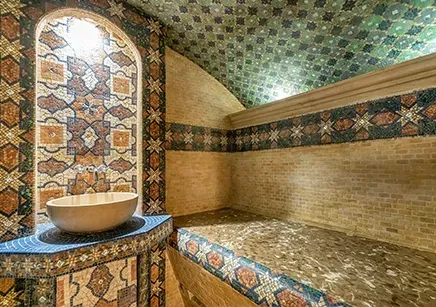
Turkish hammam etiquette shapes every step of a visit, guiding how you enter, dress, and interact. Understanding the Turkish bath experience can help you participate with respect while enjoying the heat, foam, and communal warmth. A peshtemal towel keeps you modest and comfortable as you move through steam-rich rooms. Tips from hammam etiquette tips emphasize listening to attendants, pacing your session, and treating others with consideration. Each bath reflects Turkish bath traditions that weave cleanliness, ceremony, and hospitality into daily life.
Viewed through an SEO-friendly lens, the topic expands into a traditional spa culture built around heat, cleansing, and quiet sociability. LSIs-friendly terms such as steam bath rituals, exfoliation with gloves, and communal etiquette describe the same core sequence in varied language. Whether exploring ancient bathhouses or modern wellness centers, the emphasis remains on modesty, mindful communication with staff, and a slow, respectful rhythm. The language shifts toward kese-based exfoliation, foam washing, and a restorative cool-down to capture the process without relying on a single label. By embracing these semantic cues, readers can appreciate Turkish spa heritage as a living practice that connects past and present.
1. Turkish hammam etiquette: a respectful doorway to Turkish bath traditions
Turkish hammam etiquette shapes how you participate in a space designed for warmth, cleansing, and social connection. Understanding the expectations—quiet conversations, modest clothing, and listening to staff—transforms a routine wash into an immersive dip into regional culture. Embracing hammam etiquette tips helps you move with the pace of the room and protects the comfort of others sharing the space, making your Turkish bath experience more meaningful.
Respect for Turkish bath traditions begins before you enter the steam. Pay attention to guidance from attendants, keep voices soft, and use the peshtemal towel to cover yourself as needed. By honoring these norms, you participate in a centuries-old ritual that values dignity, privacy, and a calm atmosphere, allowing you to witness the care that goes into each step of the kese scrub ritual and foam wash without distraction.
2. What to wear and bring for a comfortable Turkish bath experience
Your attire and packing list set the tone for a relaxed visit. A peshtemal towel is often preferred for its light weight, absorbency, and cultural appropriateness, helping you maintain modesty while moving through the bath zones. Pair it with simple flip-flops, and you’ll be ready to explore the warm rooms, steam, and cleansing stations while staying comfortable and respectful.
In addition to the towel, consider a small bottle of mild soap, a waterproof bag for damp items, and any personal skincare needs. If you have sensitive skin, bringing your own gentle products can ensure the kese scrub ritual and foam wash feel soothing rather than irritating. These practical touches support a smooth Turkish bath experience from arrival to rinse.
3. The classic hammam routine: from steam to rinse and the kese scrub ritual
The core sequence of a Turkish hammam balances heat, cleansing, and relaxation in a way that mirrors the long-standing Turkish bath traditions. You’ll move from a warmer space into higher heat as your body acclimates, then transition to cleansing rituals that prepare skin for exfoliation and foam washing. This rhythm creates a meditative pace that underpins the overall Turkish bath experience, inviting quiet reflection as pores open and muscles loosen.
A hallmark of the ritual is the kese scrub ritual, using a coarse exfoliating glove to slough away dead skin while maintaining a respectful, controlled touch. After exfoliation, attendants typically apply a fragrant foam wash and rinse, followed by a cool rinse to close the experience. This sequence—warmth, scrub, foam, and cooldown—embodies the essence of Turkish bath traditions and leaves skin refreshed and renewed.
4. Tips for first-timers: hammam etiquette tips and maximizing the Turkish bath experience
First-timers can maximize comfort by pacing themselves and asking questions. A few hammam etiquette tips—like signaling pressure preferences, clarifying the order of the routine with staff, and staying mindful of your surroundings—help you participate confidently without interrupting others. These practices align with the broader Turkish bath experience and ensure you feel welcome as you learn the ritual’s flow.
Practical guidance for newcomers includes starting with gentler exposure to heat, communicating sensitivities, and considering a longer session if time allows. Embracing the peshtemal towel and the kese scrub ritual with patience helps you absorb the atmosphere and traditions, letting you experience the calming benefits of the bath more fully.
5. Regional flavors: Turkish bath traditions across cities and how to choose your experience
Regional variations add color to Turkish bath traditions. In Istanbul’s grand historic baths, you may encounter ceremonial touches and time-honored procedures, while smaller towns or modern hammams may offer a streamlined pace. Regardless of venue, the core elements—steam, cleansing, exfoliation, and a social yet respectful ambiance—remain central to the Turkish bath experience.
When selecting a venue, look for clear etiquette guidelines, staff who explain the routine, and options that fit your comfort level—private or public spaces, gender-specific areas, and the availability of kese scrub rituals. By choosing thoughtfully and staying attuned to local norms, you’ll engage deeply with the culture, honor the traditions, and enjoy a memorable experience that reflects the best of hammam etiquette tips and Turkish bath traditions.
Frequently Asked Questions
What are essential hammam etiquette tips for a first visit to a Turkish bath?
Begin calmly, listen to staff, and keep voices low to preserve the spa-like atmosphere. Dress modestly with a peshtemal towel, wear flip-flops, and wrap yourself for warmth and privacy. Follow the routine at your own pace, communicate any health concerns, and respect privacy and staff guidance; a mindful approach is a core element of Turkish bath traditions and the overall Turkish bath experience.
How should I use a peshtemal towel during the Turkish bath experience as part of Turkish bath traditions?
Wrap the peshtemal around your body as a modest, breathable cover, then carry it between rooms as you move through warm and hot zones. Use it to dry off and keep areas modest in shared spaces. Keep it handy during the kese scrub ritual and foam wash, and replace it if it becomes damp; using a peshtemal is a key part of the Turkish bath experience and its traditions.
What is the kese scrub ritual, and how should I participate within proper hammam etiquette?
Kese is an exfoliating glove used by attendants to gently remove dead skin. Expect a rinse, a thorough scrub, then a foam wash and rinse. Communicate sensitivities or areas to treat more gently, follow the attendant’s guidance, and maintain a calm, respectful pace throughout; this aligns with Turkish bath traditions and general hammam etiquette.
What are the do’s and don’ts of hammam etiquette when visiting a historic Turkish bath?
Do: follow staff directions, keep a quiet, respectful tone, cover modestly with a peshtemal, and tip attendants for good service. Don’t: rush the ritual, photograph others without consent, bring outside food or drink into steam areas, or assume every hammam is the same; observing these practices supports the reverence of Turkish bath traditions and enhances the Turkish bath experience for everyone.
How can I balance enjoying a Turkish bath experience with respect for Turkish bath traditions when visiting different regions?
Expect regional variations in procedure, signage, and pace, but maintain core etiquette: cleanliness, respect, and a slow, mindful rhythm. Ask staff about the sequence, adapt to the heat at your comfort level, and consider a longer session to enjoy the kese, foam wash, and relaxation; this approach honors Turkish bath traditions and preserves a positive Turkish bath experience across regions.
| Aspect | Key Points |
|---|---|
| What is a Turkish hammam? | A steam bath rooted in centuries of cleansing and social customs; a sequence of heated rooms (warmth to hot) designed for relaxation, cleansing, exfoliation, foam washing, and a final rinse, with an emphasis on communal calm. |
| Preparation and attire | Dress modestly and comfortably; use a peshtemal towel (preferred) or clean towel; wear flip-flops; bring a small bottle of mild soap; use a waterproof bag for damp items; staff will guide you. |
| Arrival and layout | Staff greet you, space favors slow, deliberate movement; acclimate to heat gradually; keep voices low; follow courteous conduct as you proceed. |
| The routine (steam to rinse) | Common sequence: 1) acclimation in warm area, 2) extended steam, 3) kese exfoliation and foam wash, 4) rinse with additional soap, 5) cool rinse and rest. |
| Etiquette dos and don’ts | Do: follow directions, maintain quiet, cover modesty with peshtemal, keep conversations polite, tip if deserved. Don’t: rush others or the ritual, photograph without consent, bring outside food/drink, assume all hammams are identical. |
| Tips for first-timers | Learn Turkish phrases or use gestures for questions; ask about the routine order; request milder heat if needed; consider longer sessions for a fuller experience; respect local customs. |
| Ritual elements: peshtemal, kese, and more | Peshtemal provides modesty and versatility; kese is the exfoliating glove; foam washing accompanies cleansing; communicate sensitivities to adjust pressure or duration. |
| Regional variations and spaces | Expect ceremonial tones in Istanbul’s historic baths and streamlined experiences in smaller towns; private or semi-private options exist in some venues; always follow venue-specific etiquette. |
Summary
HTML table prepared summarizing English key points about Turkish hammam etiquette and related practices.