
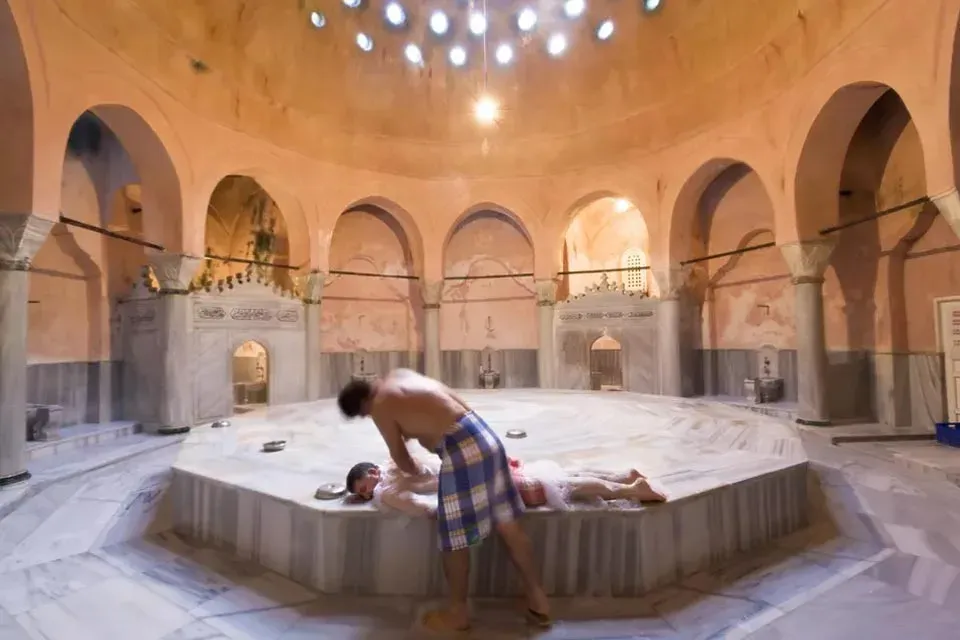
The Turkish bath invites travelers and locals into a world of warmth, steam, and social ritual. Across the globe, hammams and steam rooms shape a communal spa culture steeped in long-standing hammam traditions. Over centuries, the history of this traditional bath ritual informs elegant architecture, ceremonial exfoliation, and the careful balance of heat and moisture. Visitors learn bathhouse etiquette as part of a respectful, shared experience that honors quiet conversation and personal care. Whether you are new to the ritual or revisiting an old favorite, the experience offers cleansing, renewal, and a moment of mindful pause.
Across continents, the practice is often called hammam tradition, a warm, water-forward ritual that centers on cleansing, relaxation, and social exchange. These spaces rely on a careful sequence of steam and heat, followed by exfoliation and massage, all framed by a culture of bathhouse etiquette that invites quiet conversation and mutual respect. In many regions, the term hammam stands in for the same central experience, from public bathhouses to intimate spa suites, with design cues like marble slabs and domed ceilings reinforcing the mood while upholding hammam traditions. For researchers and travelers, the Turkish bath history offers a roadmap of how this ritual traveled from ancient baths to contemporary wellness spaces, preserving ceremony while embracing new comforts. By recognizing these connections—the rooms, the rituals, and the social codes—readers gain a clearer sense of why hammams remain a global touchstone for cleansing, connection, and calm.
What is a Turkish Bath? Core Concepts and Hammam Traditions
The Turkish bath, or hammam, is more than a cleansing ritual—it is a cultural experience built around heat, moisture, and a social rhythm that invites quiet renewal. The journey typically unfolds in a sequence of rooms: a warm space to open the pores, a hotter steam room to intensify cleansing, and a cool resting area to complete the cycle. This progression is both physical and mental, guiding bathers from activity to relaxation while emphasizing ritual cleansing and skin purification that lie at the heart of hammam traditions.
Understanding the core concept of the Turkish bath means recognizing its emphasis on hygiene, purification, and communal atmosphere. In many regions, the bathhouse itself—often adorned with marble and tiles—serves as a gathering place where hospitality and conversation are part of the experience. Even as modern spa elements are integrated, the essence of hammam traditions remains: a mindful, sociable ritual that respects personal pace and privacy within a serene, steam-filled environment.
Global Hammams: Architectural Styles, Steam Rooms, and the Turkish Bath History
Hammams around the world showcase regional flavors while preserving a shared ritual. In Turkey, domed ceilings, marble benches, and carefully designed steam rooms create an air of timeless elegance. In Morocco and North Africa, intricate tilework and incense-scented air heighten sensory immersion, while the Balkans and Caucasus blend Ottoman influence with local craft to produce spaces that feel historic yet inviting.
In contemporary spa settings outside traditional borders, steam rooms and hot rooms are often paired with modern comforts and climate control, yet designed to preserve the fundamental arc of the Turkish bath history. These spaces still prioritize heat, moisture, and a gradual progression through temperature zones, ensuring that the bath’s restorative benefits—physical cleansing, mental calm, and social ease—remain central to the experience.
The Ritual Journey: Steps Inside a Typical Hammam Experience
A classic hammam experience begins with preparation and cleansing. Guests typically enter with modest swimwear or a towel, though local norms vary; staff often guide visitors through the proper sequence, explaining how to move from warm to hot rooms and back to a resting area. The hot room’s intense moisture and heat open the skin and loosen muscles, paving the way for the kese, a coarse exfoliating glove that removes dead skin and stimulates circulation.
Following exfoliation, a foam massage using soap or oil completes the cycle, leaving a renewed sense of softness and relaxation. Across hammams, the ritual emphasizes not just cleansing but a gentle, meditative pressure that soothes shoulders and back while inviting quiet reflection. The entire process—often guided by bathhouse etiquette—encourages mindful pacing, soft conversations, and a shared appreciation for the steam room’s calming rhythm.
Health, Hydration, and Social Benefits of the Turkish Bath
Beyond cleanliness, the Turkish bath offers tangible physical and skin benefits. Deep cleansing and exfoliation promote smoother skin and better hydration, while the heat and humidity stimulate sweating, which supports circulation and detoxification. Regular visits can contribute to improved skin texture, reduced muscle tension, and a heightened sense of vitality after a full hammam session.
Socially, hammam traditions foster connection and community. The bathhouse becomes a space for conversation, mutual care, and quiet companionship, aligning with bathhouse etiquette that values shared experience and respectful interaction. The combination of physical renewal, mental relaxation, and social warmth helps explain the enduring appeal of the Turkish bath across cultures.
Planning Your Visit: Etiquette, Tips, and Modern Hammam Alternatives
If you’re new to the Turkish bath, a little planning enhances the experience. Research local hammams to understand whether they emphasize traditional ritual sequences or a modern spa approach. Consider timing—the busiest hours can affect atmosphere and pacing—and bring essentials such as a good towel, flip-flops, and water. For sensitivity or medical conditions, discuss heat exposure and exfoliation with staff or a physician before participating.
Modern spas increasingly offer blends of Turkish bath elements with contemporary wellness services, and at-home steam rooms or sauna setups can provide a convenient, private taste of the ritual. Whether visiting a centuries-old bathhouse or a contemporary facility, maintaining bathhouse etiquette—respect for others’ space, mindful conversation, and a calm demeanor—helps preserve the dignity and communal spirit of the Turkish bath while allowing personal comfort and enjoyment.
Frequently Asked Questions
What is a Turkish bath and how do hammams structure the experience, including steam rooms?
A Turkish bath, or hammam, is a cleansing and relaxation ritual. The typical progression moves from a warm room to a hot steam room, then to a cool-down area. Exfoliation with a kese and a foam massage are common hammam traditions, and the steam rooms provide steady humidity to open pores and soothe muscles. The architecture and social calm of a hammam enhance the overall experience.
What should I know about bathhouse etiquette when visiting a Turkish bath or hammam?
Bathhouse etiquette varies by location, but key guidelines include modest attire or a towel, following staff instructions, speaking softly, and respecting personal space. Hydrate before and after, communicate preferences for exfoliation, and observe quiet, respectful behavior in the steam and massage areas. Following local rules honors hammam traditions and ensures a comfortable visit for everyone.
How has Turkish bath history shaped modern hammams and steam rooms around the world?
Turkish bath history traces back to Roman and Byzantine bath culture, refined under Ottoman influence into the hammam tradition. This heritage shaped architecture (domed ceilings, marble benches) and the social ritual of cleansing, conversation, and community. Modern hammams and steam rooms worldwide retain core elements of Turkish bath history while adapting to contemporary spa settings.
Are hammams suitable for all skin types, and what are the benefits of steam rooms in a Turkish bath?
Yes, with guidance. Steam rooms in a Turkish bath promote sweating, cleanse skin, and relieve muscle tension, while hammams provide exfoliation and massage as part of the ritual. Benefits include improved skin texture, circulation, and relaxation. People with sensitive skin or medical conditions should proceed carefully with staff guidance and adjust heat exposure as needed.
What should a first-time visitor plan to ensure a successful hammam experience, and how do hammam traditions inform etiquette?
For a first-time visitor, plan 60–90 minutes, bring a towel and sandals, and anticipate the sequence through warm rooms, a hot steam area, and a kese exfoliation. Follow local etiquette, ask staff for guidance, and enjoy hammam traditions that emphasize cleanliness, relaxation, and social calm within the Turkish bath.
| Topic | Key Points | Notes / Examples |
|---|---|---|
| What is the Turkish bath (core concept) | Sequence of warm room → hot steam room → cool-down; cleansing, purification, social interaction; hammam as both bathhouse and ritual | Emphasizes skin cleansing, purification, and community in marble/tile spaces; also called hammam in many regions |
| Global variations | Turkey: domed ceilings and grand steam rooms; Morocco/North Africa: tilework and incense; Balkans/Caucasus: Ottoman influence; Modern spas: adapted amenities | Steam rooms and hot rooms designed for sweating; etiquette adapted to regional norms; authentic rituals preserved where possible |
| The Ritual (steps) | Cleansing and preparation; kese exfoliation; foam massage; guided progression through rooms; attire varies by venue | Exfoliation with kese is common; massage and soap/oil applications are integral parts of the ritual |
| Benefits (physical, mental, social) | Improved skin texture/hydration; detoxification via sweating; mental relaxation and reduced muscle tension; social/community aspect | Benefits vary by individual; social aspect is a key component of bathhouse etiquette |
| Etiquette & practical tips | Observe local norms for clothing and space; follow staff guidance; communicate preferences; hydrate; maintain quiet, respectful ambiance | Common guidance includes modest swimwear or towels; be mindful of heat exposure duration; respect others’ experience |
| History & cultural significance | Origins in Roman/Byzantine baths; Ottoman influence; domed architecture and marble work; evolution into social institutions | Turkish bath history illustrates hospitality, health, and shared ritual across generations |
| Architecture & sensory experience | Domed ceilings, marble surfaces, controlled humidity; heat zoning into warm and hot rooms; steam’s meditative quality | Modern spas preserve core elements while adding privacy options and climate control; private hammams available in some settings |
| Planning for first-timers | Research venue emphasis (traditional vs. modern); choose time with manageable crowds; bring towel, flip-flops, water | Allow 60–90 minutes; inform staff of sensitivities; check medical conditions if needed |
| Modern spas & at-home options | Spas blend steam rooms, heated spaces, massages, aromatherapy; home steam showers/saunas offer a partial at-home analogue | A home setup complements but cannot fully replicate the public hammam experience |
Summary
Turkish bath is a timeless wellness ritual that appears in hammams around the world, blending steam rooms, exfoliation, and massage with bathhouse etiquette and a living history of hammam traditions. The architecture—domed ceilings, marble surfaces, and carefully heated spaces—frames a journey from cleansing to relaxation, inviting quiet contemplation and social warmth. Across cultures, the core idea remains: purification of the skin, renewal of body, and a communal sense of hospitality that supports well-being. By appreciating Turkish bath history and respecting local etiquette, visitors can experience not just a cleansing ritual but a culturally rich encounter that connects past and present. Whether in a historic hammam or a modern spa, the Turkish bath offers a holistic path to balance, vitality, and mindfulness.