
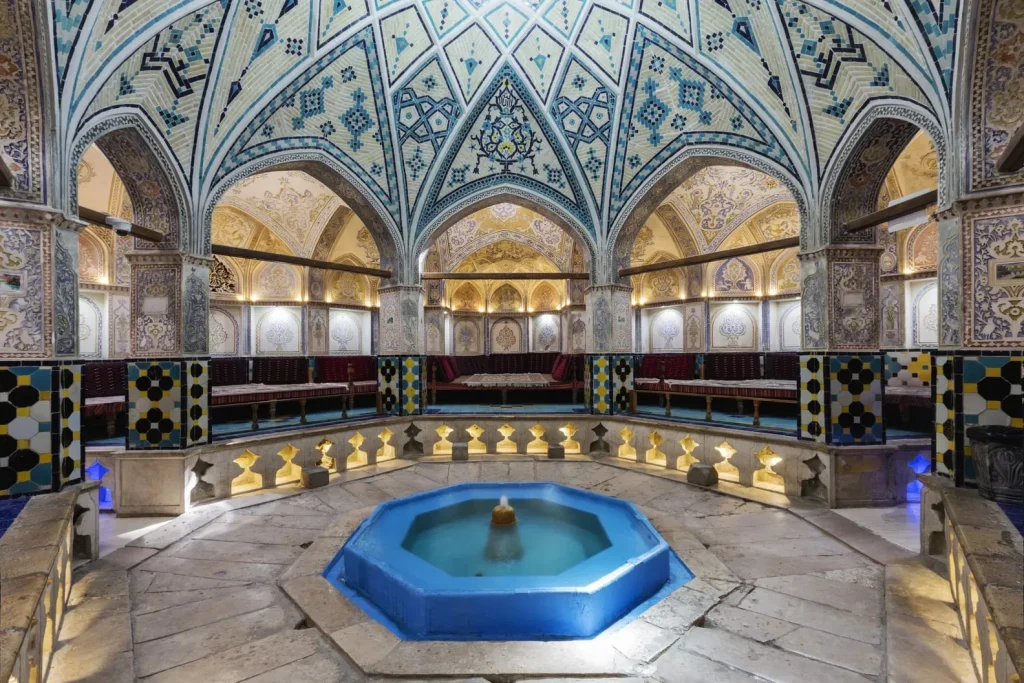
The Turkish hammam is more than a bath; it stands at the crossroads of daily life, ritual cleansing, and architectural artistry, embodying Turkish bath history, the enduring traditions of hammam architecture, and a long lineage of public spaces designed to foster care, civility, and shared ritual. From imperial projects to neighborhood teahouses, it has shaped bathhouse social life and the etiquette of communal spaces across centuries, serving as a forum for news, hospitality, matchmaking, and quiet contemplation amid the steam. Its design guides bathers through a carefully sequenced series of rooms where thermal gradients, moisture, and ritual cleansing culminate in Turkish bath rituals that marry physical refreshment with cultural meaning. As a cultural institution, the hammam reflects Ottoman bath culture and hospitality, linking body care with communal conversation, ceremonial greetings, and the artful choreography of attendants who guide guests with rings of laughter and respectful privacy. Visitors today can still feel the echo of centuries-old practices as they experience warmth, care, and a shared cultural heritage, whether in a grand urban bathhouse or a modest neighborhood bath.
Seen through a broader lens, these steam-soaked sanctuaries, often called public bathhouses or ceremonial bath halls, trace a lineage from classical thermae to modern wellness centers, traveling with merchants, travelers, and households as cities grew into hubs of exchange and ritual care. The classic layout moves visitors through cooling, warming, and hot chambers, guiding cleansing, massage, and social interaction as a cohesive ritual that blends private self-care with communal storytelling. Contemporary spaces draw on the same vocabulary of marble, tilework, and domed ceilings, while embracing accessibility, sustainability, and inclusive practices that welcome diverse visitors without sacrificing heritage. In this light, the practice stands as a living heritage that informs both tourism narratives and everyday modern life around the world. Scholars and designers study such bathhouses for lessons in spatial choreography, social architecture, and the enduring appeal of shared rituals. From Istanbul’s historic neighborhoods to spa towns in Europe and the Middle East, the concept translates into experiences that are educational as well as restorative.
The Turkish hammam: Origins and Evolution Through History
The Turkish hammam traces its roots to the Roman thermae and travels through Byzantine and Islamic influences to become a distinctly Turkish institution. This lineage sits at the heart of Turkish bath history, where heated spaces, steam, and communal rituals formed a shared language of hygiene, hospitality, and social cohesion.
From the Seljuk era through the height of the Ottoman state, hammams grew into civic landmarks that framed urban life. They were not only places to cleanse the body but venues where neighbors met, news circulated, and rites of passage were observed, reflecting a bathhouse social life rooted in hospitality and communal care.
Hammam Architecture and Design: From Soğukluk to Göbek Taşı
A defining feature of hammam architecture is the deliberate sequence that carries bathers from the cool vestibule toward the hottest spaces—a progression designed to cleanse, relax, and support social exchange. This layout is a core element of hammam architecture that defines the experience.
Core spaces—the entrance camekan, Soğukluk, Ilık, Hararet, and the Göbek taşı—are linked by light, water, and heat. Marble surfaces, İznik tiles, and domed ceilings regulate humidity and temperature, turning architecture into a social conductor within the bath and shaping how people interact in shared spaces.
Ottoman Bath Culture and Social Life: Rituals, Tellaks, and Community
Tellaks (bath attendants) guide bathers through cleansing, kese exfoliation, and massage, reflecting a long tradition in Ottoman bath culture. The spaces were often gender-segregated, with time slots that shaped a distinctive bathhouse social life and the rituals of cleanliness that connected individuals to their community.
From weddings to market days, visits to the hammam anchored family life and communal celebrations. These rituals—preparation, companionship, and quiet conversation—illustrate how Turkish bath rituals have long linked personal well-being with social belonging and collective memory.
From Imperial Baths to Global Influence: Preservation and Modernity
During the Ottoman era, public hammams became civic identities and architectural showcases, weaving hammam architecture with urban planning and sculpture-like spaces that hosted large numbers of bathers while preserving intimate cleansing rituals.
In the 19th and 20th centuries, modernization prompted restoration, adaptive reuse, and new patterns of use. Today, the tradition has a global footprint: contemporary hammams preserve core Turkish bath rituals while embracing wellness trends, accessibility, and inclusive audiences across cultures.
Turkish Hammam Today: Rituals, Wellness, and Cultural Memory
Today’s Turkish hammam remains a local treasure and a global symbol of hospitality. Modern facilities blend authentic ritual spaces with comfortable amenities, inviting travelers to experience cleansing rituals in bright, welcoming environments that respect centuries-old practice.
Visitors still encounter the familiar sequence—entry space, warm room, hot room, and the Göbek taşı—while design innovations and wellness practices expand the appeal without erasing the memory of bathhouse culture. The Turkish hammam endures as a living link between heritage, community, and contemporary well-being.
Frequently Asked Questions
How does Turkish bath history shape the design and use of hammam architecture in the Turkish hammam?
Turkish bath history traces a path from Roman thermae through Seljuk and Ottoman traditions, shaping the spatial logic and ceremonial purpose of the hammam. Architectural elements such as the göbek taşı, hararet, marble surfaces, İznik tilework, and a progression from cool to hot rooms reflect a philosophy that blends cleansing with social gathering. This hammam architecture enables communal ritual while preserving private moments within a public space.
What are the core Turkish bath rituals in a Turkish hammam, and how do they connect to Ottoman bath culture?
Rituals typically unfold with a coming-in in the camekan, followed by kese exfoliation, the lather of soap, a massage, and a rinse, usually guided by a tellak. These Turkish bath rituals embody the hospitality and cleanliness central to Ottoman bath culture, pairing physical cleansing with social warmth and attentive care.
How did bathhouse social life manifest in the traditional Turkish hammam and shape daily community life?
Bathhouse social life revolved around shared spaces, conversations, and rituals that brought neighbors together. Gender-segregated times, communal seating, and nearby teahouses facilitated news exchange, matchmaking, and celebrations, making the hammam a cornerstone of daily hospitality and social fabric.
What are the main spaces in hammam architecture of a Turkish hammam, and how do they guide the cleansing ritual?
A typical sequence runs from entrance camekan to soğukluk (cool room), then ılık (warm room), and finally hararet (hot room) with the göbek taşı at the center. Each space primes bathers for the next step—acclimating to heat, preparing the body for cleansing, and enabling massage and exfoliation—while the architectural layout supports both private and communal experiences.
How have modern Turkish hammams preserved Ottoman bath culture while embracing contemporary wellness trends?
Modern Turkish hammams preserve the core Ottoman bath culture by maintaining ritual elements—kese exfoliation, fragrant soaps, and traditional massage—while upgrading facilities for accessibility and comfort. They keep essential architectural cues like domed ceilings and tilework as heritage, yet incorporate wellness amenities to appeal to today’s visitors, ensuring the tradition remains relevant in a global context.
| Aspect | Summary | Notable Details |
|---|---|---|
| Origins and Evolution | Roots in Roman thermae and Islamic Anatolia, evolving into a social, hygienic, and ceremonial space. | From grand public baths to weekly social visits; hospitality and ritual care are central. |
| Architecture and Design | A purposeful sequence from cool to hot guiding cleansing and social interaction. | Key elements include the entrance (camekan), soğukluk, ılk, hararet, and göbek taşı; materials like marble and İznik tiles; domed ceilings. |
| Social Life and Rituals | Ritual cleansing, exfoliation with kese, massage, and social gatherings within gender-segregated spaces. | Tellaks guide baths; cleansing rituals, conversation, and community bonding around the bath. |
| Ottoman Era and Imperial Projects | Public hammams became civic identities and architectural showcases. | Imperial complexes like Çemberlitaş Hamamı reflect urban planning and artistry. |
| Decline, Reform, and Revival | Modernization altered functions; many hammams were repurposed or preserved as heritage. | Restoration and tourism keep core rituals and spatial logic alive. |
| Global Influence and Modern World | Today’s hammams blend tradition with modern comforts and wellness practices. | Global adoption, cross-cultural design influence, and continued social function. |