A DIY Turkish hammam is more than a steam room; it’s a ritual of warmth, exfoliation, and mindful cleansing, something you can recreate at home without the cost of a traditional bathhouse, and it invites you to slow down, choose comfortable fabrics, set soft lighting, and breathe with intention. With careful planning, you can transform a standard bathroom into a sanctuary of heat, humidity, and renewal, bringing the Turkish hammam at home experience to daily life and turning a routine wash into a restorative ceremony. A gentle steam prepares the skin and opens pores while a natural scrub follows, echoing the hammam steam bath at home approach that many readers seek and giving you a chance to experiment with textures and scents. This is more than grooming; it’s a turkish bath ritual that blends heat, breath, texture, and rhythm into a soothing weekly reset that supports both skin health and mental calm. Incorporating simple tools, aromas, and a mindful pace, this routine becomes a set of accessible home spa ideas steam scrub elements you can customize to fit your space, schedule, and preferences.
Seen from another angle, this practice is a Turkish bath at home—a steam-led wellness ritual that cleanses, relaxes muscles, and centers the mind without stepping out the door. Think of it as a compact steam room at home routine that blends warmth with tactile scrubbing and steady breathing, turning an ordinary shower into a sensory ceremony. Using latent semantic indexing (LSI) principles, you can weave in related terms like Turkish hammam at home, hammam steam bath at home, turkish bath ritual, and home spa ideas steam scrub to reinforce meaning across pages. The effect is a naturally interconnected content cluster that helps readers discover practical tips while search engines recognize the cohesive topic.
DIY Turkish hammam at home: Create your personal spa ritual
A DIY Turkish hammam starts with a clear ritual: heat, a nourishing scrub, and mindful breathing. By designating a space in your bathroom that can tolerate humidity and a moment of quiet, you can recreate the warmth and gentleness of a traditional bathhouse. The goal is to balance steam with a comfortable heat level and a calm atmosphere, turning ordinary moments into a moving, spa-like routine.
This approach aligns with the idea of Turkish hammam at home, making the experience accessible without the time or expense of a public hammam. Even a modest setup—soft towels, a non-slip mat, and a simple steam source—can become the backdrop for a self-care ritual that feels ceremonial and restorative, not rushed.
Transforming your bathroom into a Turkish Hammam-Inspired Spa
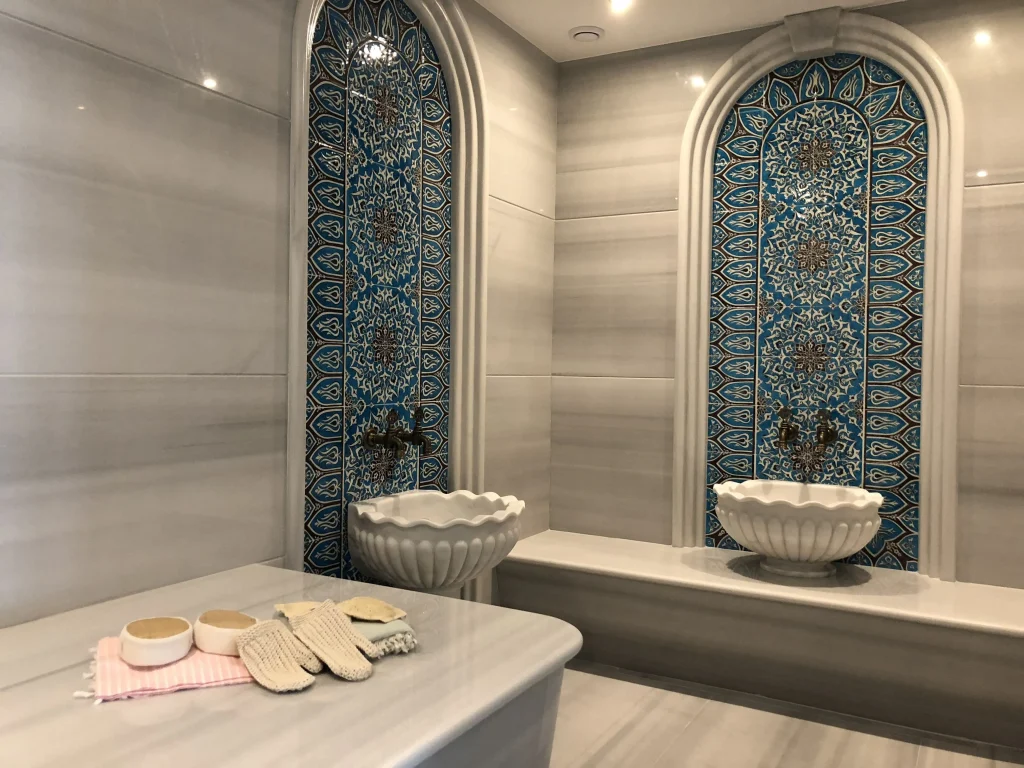
Designing the space is half the ritual. Think warm textures, natural materials, and lighting that mimics a hammam’s hazy, candlelit mood. Diffusers with eucalyptus or citrus notes, soft music, and a few calming scents create the scent profile of a spa, while a well-ventilated area keeps air fresh after steam sessions.
The concept of home spa ideas steam scrub comes to life when the space invites slow, deliberate movements. By planning the layout—where the scrub happens, where you rinse, and where you rest—you extend the ceremony beyond cleaning and into a sensory, mindful experience that supports relaxation and skin renewal.
Building the Hammam Steam Bath at Home: Temperature, Humidity, and Breath
Steam is the lifeblood of this ritual. If you have a dedicated steam shower, you’re already aligned with hammam traditions; otherwise, you can trap heat by running hot water in the shower and sealing the space briefly. Aim for a gentle, humid warmth that opens pores without causing discomfort, and keep hydration nearby to support the experience.
While the room fills with steam, focus on breathing and steady heat. A comfortable 40–45°C (104–113°F) range helps the skin soften, making exfoliation more effective. The breath becomes part of the ritual—slow inhales and long exhales help calm the mind as the body relaxes into the warmth.
Kese Magic and Modern Scrubs: The Turkish Bath Ritual Reimagined
Exfoliation is the ceremonial heart of the Turkish bath ritual. The kese mitt—a rough exfoliating glove—or a natural sugar or coffee scrub serves to slough away dead skin. If you lack a kese, a gritty scrub with a gentle oil base can still deliver that satisfying, spa-like glow, especially when used in tandem with the steam.
Two scrub options keep the routine flexible: a traditional kese-style scrub using olive oil-based soap and circular motions on elbows, knees, and the back, or a modern sugar or coffee scrub blended with coconut or almond oil and a hint of lemon for brightness. Respect your skin’s sensitivity—adjust pressure and duration to avoid irritation while still achieving a smoother, more radiant surface.
Aftercare and Weekly Wellness: Home Spa Ideas Steam Scrub and Renewal
Rinsing gently with warm water removes dead skin cells and oil, followed by patting the skin dry to protect moisture. A nourishing moisturizer or light oil—argan, jojoba, or aloe-based formulas—seals hydration and keeps the skin supple after the steam and scrub.
Rest completes the ritual. Sit for a few minutes, hydrate, and allow your body to acclimate to the warmth. Incorporating this sequence into a weekly routine reinforces the sense of renewal—turning the DIY Turkish hammam into a dependable, calming habit that supports both skin health and mental clarity.
Frequently Asked Questions
What is a DIY Turkish hammam at home, and how do I start the Turkish bath ritual?
A DIY Turkish hammam at home recreates warmth, steam, and mindful cleansing without a spa visit. Start by preparing a moisture-friendly space, then build gentle steam, perform a kese-style or simple scrub, rinse, moisturize, and rest. Use a comfortable temperature with high humidity (around 40–45°C / 104–113°F) and stay hydrated. This approach aligns with the Turkish bath ritual and benefits from a calm, simple home spa setup that emphasizes steam and scrub.
What essential tools and products do I need for a DIY Turkish hammam at home?
Key tools include a kese-style exfoliating mitt or a rough scrub pad, a mild cleanser, a natural oil (like olive or almond oil), a gentle sugar- or coffee-based scrub, optional essential oils for the steam, soft towels, a non-slip mat, and a way to generate steam (shower with the door closed or a steam unit). Have a hydrating moisturizer for aftercare. These items support a genuine DIY Turkish hammam experience.
How long should a typical DIY Turkish hammam session last, and how often should you do it?
Begin with about 30 minutes, then extend to 45–60 minutes as your space allows. A weekly session works well for many people, balancing skin benefits with relaxation. Hydrate before, during, and after, and adjust heat or scrub intensity if you feel uncomfortable; this fits into a practical home spa ideas steam scrub routine.
Which scrubs work best for the kese-style exfoliation in a DIY Turkish hammam?
Two effective options are a traditional kese-style scrub using a rough exfoliating mitt with olive oil-based soap, or a natural sugar or coffee scrub for gentler friction. Apply in slow, circular motions while the steam softens the skin, focusing on elbows, knees, and rough patches. For sensitive skin, reduce pressure and lengthen the massage—the aim is luxurious renewal, not irritation.
How can I design a safe, relaxing space at home for a DIY Turkish hammam experience?
Create a humid, warm environment with soft lighting and soothing scents, such as eucalyptus or mint. Use a diffuser, play calm music, and keep ventilation in mind after steam sessions. Practical details include a non-slip mat, natural materials (stone, tile, wood), and a nearby water source. Temperature guidelines around 40–45°C (104–113°F) help, and good ventilation prevents moisture buildup—all supporting an inviting home spa ideas steam scrub vibe.
| Aspect | Key Point |
|---|---|
| Definition | A DIY Turkish hammam is a home-based ritual of warmth, exfoliation, and mindful cleansing that recreates spa vibes without the cost or time of a traditional bathhouse. |
| Goal & Ambience | Balance steam, a natural scrub, and a calm, distraction-free atmosphere to relax, renew, and center the mind. |
| Space & Setup | Prepare a moisture-ready bathroom (tub helps; shower stall works). Clear clutter, non-slip mat, towels within reach, and a simple steam source or hot water setup. |
| Step 1: Prepare space | Create a ritual-ready area with scent and sound: eucalyptus/rosemary/peppermint in steam; soft ambient music; deliberate setup. |
| Step 2: Build steam | Aim for humid heat around 40–45°C (104–113°F); trap steam with a closed door and use essential oils to fragrance the air. |
| Step 3: The scrub ritual | Exfoliate with kese mitt or natural sugar/coffee scrub; use circular motions focusing on rough patches; warm steam aids exfoliation. |
| Step 4: Rinse & rehydrate | Rinse with warm water; pat dry to preserve moisture; rehydrate after exfoliation. |
| Step 5: Nourish & soothe | Moisturize with argan/jojoba/aloe; glycerin lotion; optional masks or coconut oil for dry areas. |
| Step 6: Rest & reset | Rest a few minutes, sip water, breathe slowly, and let the warmth settle into body and mind. |
| Safety & design considerations | Hydrate, assess heat sensitivity, check skin conditions, avoid strong essential oils in pregnancy, patch-test new products; design the space with natural materials, soft lighting, scents, sound, and proper ventilation. |
| Frequency & benefits | Weekly sessions work for many people; expect skin renewal, relaxation, and mindful mood improvement. |
Summary
DIY Turkish hammam at home invites you to slow down and savor a spa-inspired ritual. This descriptive, sensory-friendly practice blends warmth, mindful breathing, and a gentle scrub to refresh the skin and calm the mind. By preparing a moisture-friendly space, building a steady steam routine, exfoliating with kese or a natural scrub, rinsing, hydrating, and resting, you recreate the hammam’s essence without leaving your bathroom. Embracing a weekly DIY Turkish hammam routine can improve skin texture, ease tension, and offer a moment of peaceful, replenishing self-care.