
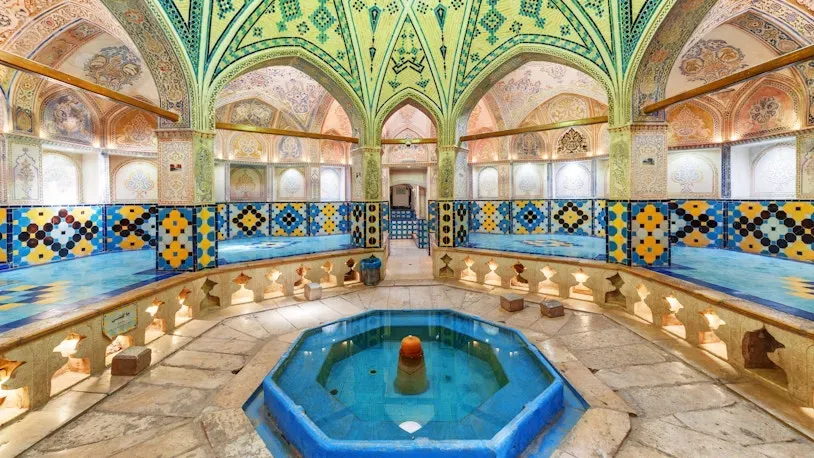
The Turkish Hammam Experience is more than a spa day; it blends heat, steam, cleansing, and a centuries-old social ritual that has connected generations of travelers. Across Turkey and in traditional bathhouses around the world, visitors slow their pace, tune into bodily sensations, and participate in a ceremonial care that goes beyond mere cleansing. For first-timers, knowing how to behave and what to expect can transform curiosity into calm, respectful participation. This introductory guide emphasizes practical preparation and safety notes so you can enjoy the rituals with confidence. Approach the experience with patience and courtesy, and you’ll help create a tranquil space for everyone sharing the room.
Viewed through a latent semantic lens, the experience unfolds as a culturally rich public bath tradition, where warmth, steam, and ritualized care define the journey rather than a single service. Instead of focusing solely on a treatment, you move through a sequence of heated rooms, exfoliation routines, and foam washes that echo centuries of bathe-and-cleanse practices. Think of the spaces as a quiet community setting that invites mindful breathing and respectful movement as you participate in cleansing and massage portions. To support preparation and safety, you can reference a practical checklist and ask staff about any venue-specific rules while keeping the experience restorative and comfortable. And to stay comfortable, follow hammam safety tips such as staying hydrated, pacing your exposure to heat, and paying attention to skin sensitivity and overall well-being.
Turkish Hammam Experience: A Guided Immersion into Heat, Steam, and Ritual
Experiencing a Turkish Hammam Experience is more than a spa visit—it is stepping into a living tradition that blends heat, steam, cleansing, and social ritual. From the moment you enter, the scent of olive oil soap, marble benches, and humid air invites you to slow down, breathe deeply, and listen to your body. This immersion creates a sensory memory that travelers often carry long after leaving the steam room.
The Turkish hammam experience centers on a respectful rhythm: acclimation in a warm room, a cleansing ritual using kese (the coarse scrub mitt) and soap, and often a foam wash performed by an attendant or guided by staff. Following hammam etiquette, guests choose a pestemal (light towel) or swimsuit as required and allow others to move through the sequence with patience and care.
Whether you’re in a grand historic hamam in Istanbul or a modern hotel spa, the core elements remain warmth, steam, cleansing, and shared stillness. This combination invites you to calm the senses, connect with fellow visitors at a respectful pace, and savor a tradition that spans centuries.
What to Expect in a Hammam: Core Rituals and Comfort
Upon entry, you’ll encounter a series of rooms that gradually rise in temperature, marble benches, and soft lighting. Take a moment to breathe, hydrate, and observe the flow before joining the cleansing ritual, which often begins in a warm room designed for acclimation.
The cleansing arc typically includes a kese scrub, a fragrant soap lather, and a foam wash—either provided by staff or performed by you with guidance. You may finish with a light massage and a final rinse, followed by a cooling period to re-enter the surrounding air. The result is a renewed sense of softness and relaxation.
If you’re curious about what to expect in a hammam, this sequence offers a clear, comfortable path and helps first-timers pace themselves with confidence.
Turkish Hammam Checklist for Travelers: Prep, Pack, and Protocol
A practical Turkish hammam checklist helps you maximize comfort while respecting local customs. Start with attire—pestemal or swimwear depending on venue—plus a pair of flip-flops, a washcloth, mild shampoo and soap, and a small towel for modesty. Don’t forget a water bottle to stay hydrated before, during, and after the session.
Pack smart by considering tipping expectations, budgeting for services, and learning a few phrases in Turkish or the local language to discuss the level of scrub or private options. This preparation supports smoother hammam etiquette and helps you communicate preferences clearly.
Before you go, confirm hours, gender-specific rules, and whether the venue provides towels or robes. A clear Turkish Hammam checklist helps reduce stress on arrival and lets you focus on the ritual.
Hammam Etiquette and Safety: Respectful Practice and Hammam Safety Tips
Respectful practice lies at the heart of a memorable hammam visit. Dress code, quiet conversation, personal space, and gentle movements all contribute to a serene atmosphere for guests and staff alike. Observing hammam etiquette shows appreciation for the space and for the cultural context of the ritual.
Hammam safety tips emphasize hydration, pacing, and awareness of skin sensitivity. If you have health concerns, consult a clinician or staff before fully participating, and listen to guidance about pressure during the kese scrub or foam wash. Avoid strong fragrances and keep jewelry minimal to prevent snags.
If privacy matters, communicate preferences with attendants or choose sections that align with your comfort level. The aim is a respectful, enjoyable experience for everyone while preserving the tradition’s dignity.
Turkish Bath Rituals: Steam, Exfoliation, Foam, and Mindful Massage
Turkish bath rituals weave heat, humidity, and tactile care into a profound sensory journey. The steam (hararet) opens pores, relaxes muscles, and prepares the skin for cleansing, inviting you to slow down and breathe.
Exfoliation with a kese mitt is a hallmark of these rituals, often paired with olive oil soap to build a rich lather that enhances cleansing and circulation. A foam wash follows, either performed by an attendant or as a guided self-application, leaving skin smooth and nourished.
A gentle massage and a final rinse complete the sequence, followed by cooling down and hydration. Though venues differ in detail, these rituals anchor the experience in centuries of hospitality and care.
Frequently Asked Questions
What should I expect in a hammam during a Turkish Hammam Experience?
Expect a multi‑room sequence that gradually increases heat: a warm acclimation room, a cleansing with kese (coarse scrub mitt) and soap, a foam wash, and often a light massage. Depending on the venue, staff assistance may be available, and the space will typically be calm, respectful, and oriented toward a shared ritual.
How does hammam etiquette shape the Turkish Hammam Experience?
Hammam etiquette emphasizes modesty, quiet conversation, proper dress, and respectful distance. Following the dress code, speaking softly, removing jewelry, and understanding tipping norms helps preserve the tranquil, communal atmosphere of the Turkish Hammam Experience.
What should be on my Turkish hammam checklist for the Turkish Hammam Experience?
A practical Turkish hammam checklist includes what to bring (pestemal or swimsuit, sandals, shampoo/soap, washcloth), what to wear, hydration, and tipping expectations. Also check booking hours, gender norms, and basic phrases to help communication and ensure a smooth visit.
What are Turkish bath rituals and how are they part of the Turkish Hammam Experience?
Turkish bath rituals center on steam, warmth, exfoliation with kese, foam wash, and optional massage, creating a ceremonial rhythm that defines the Turkish Hammam Experience.
What hammam safety tips should I follow for a safe Turkish Hammam Experience?
Hydrate before and after, pace yourself, and listen to your body; avoid exfoliation if your skin is sensitive. If you have health concerns, consult staff or a medical professional, and move to a cooler area if you feel lightheaded or overheated.
| Key Point | Description | Notes / Implications |
|---|---|---|
| What is a Turkish hammam? | A public bathhouse with a sequence of rooms that gradually raise in temperature, culminating in a warm, humid environment for cleansing and relaxation; includes kese (scrub mitt) and soap; can be gender-segregated or mixed; traditionally a social and sensory ritual. | Foundation: cleanliness paired with social and cultural ritual. |
| Purpose of the guide | To present the Turkish hammam experience in a welcoming, practical, and SEO-friendly way for travelers seeking authentic cultural moments; helps first-time visitors know what to expect and how to behave. | Audience-focused: preparation and respectful participation. |
| Core elements of the experience | Warmth, steam, cleansing, and a social ritual that encourages slowing down, breathing, and respectful participation; common patterns across venues though specifics vary. | Expect a multi-sensory, communal activity rather than a purely private spa service. |
| Venue variety and patterns | Historic grand hammams and modern spa-inspired versions; some venues are gender-segregated with specific hours, others are mixed; experiences vary by country and venue, but warmth and cleansing remain core. | Be aware of venue-specific rules and expectations. |
| Checklist and preparation | What to bring and wear; etiquette; and what to expect during cleansing rituals to help readers prepare and avoid oversights. | Practical prep improves comfort and respect. |
| Cleansing ritual sequence | Typical arc includes entry acclimation, washing or abstaining, kese scrub with soap, foam wash, massage (optional), and cooling/rest. | Understanding the rhythm helps travelers participate confidently. |