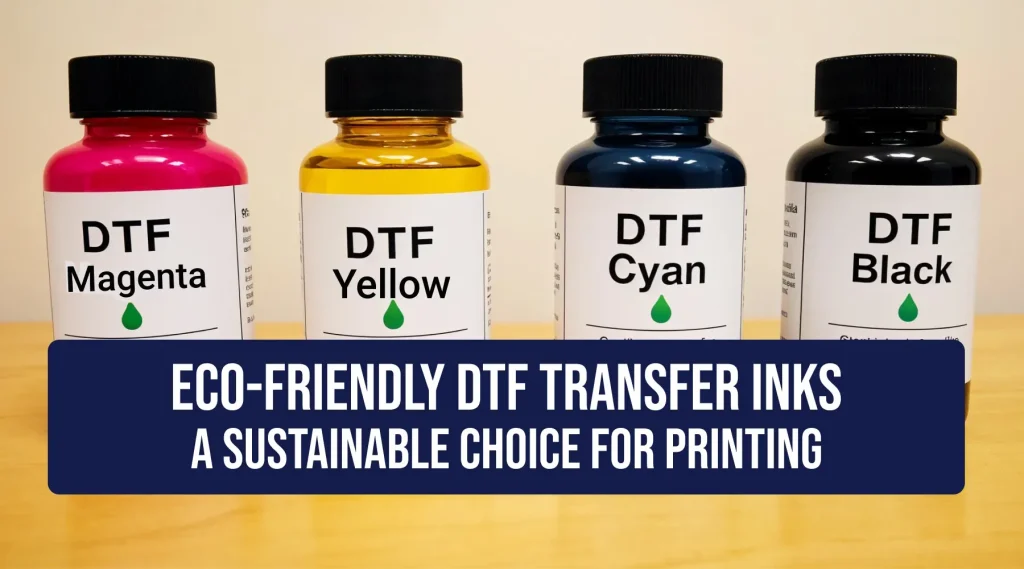
Environmentally Friendly DTF Transfers are redefining how brands approach apparel graphics by balancing performance with planet-friendly choices. As demand grows for eco-friendly DTF transfers, savvy shops embrace green printing practices that minimize waste and energy use. These methods support sustainable DTF printing by using water-based inks, recyclable films, and responsible post-print handling. Consumers increasingly value environmentally conscious apparel prints, making low-impact garment transfers a practical goal for wide-scale production. By prioritizing quality alongside responsible sourcing, brands can deliver vibrant results while reducing environmental impact across the supply chain.
This shift can also be framed as green textile transfers, low-emission graphics, or eco-conscious heat-applied designs, all pointing to smarter production. In LSI terms, related ideas include sustainable printing technologies, water-based inks, recyclable films, and energy-efficient curing — all aligning with a more responsible apparel ecosystem. The core message remains the same: high impact visuals achieved through greener processes that respect the climate and communities. By speaking in these related terms, manufacturers and retailers can reach broader audiences while preserving brand quality.
Environmentally Friendly DTF Transfers: Aligning Print Quality with Green Goals
Environmentally Friendly DTF Transfers represent a balance between vibrant graphics and planet-conscious choices. They rely on eco-friendly DTF transfers, water-based inks, and low-VOC formulations to reduce environmental impact while maintaining durable, high-quality results. This aligns with green printing practices that prioritize efficient resource use and responsible supply chain decisions. The concept centers on recognizing that print quality doesn’t have to be sacrificed for sustainability; instead, it’s a collaborative effort across materials, processes, and end-user care to deliver sustainable DTF printing.
Implementing these transfers involves practical steps such as selecting recyclable or compostable films where feasible, reducing waste through better design and testing, and optimizing curing temperatures to save energy. By emphasizing environmentally friendly DTF transfers, brands can deliver sustainable, high-quality apparel prints that resonate with environmentally conscious consumers. This approach supports environmentally conscious apparel prints and helps build trust through transparency about materials and processes.
Eco-friendly Materials and Their Role in Sustainable DTF Printing
A core component is choosing inks, films, and adhesives with lower environmental footprints. Water-based or low-VOC inks improve indoor air quality and meet safety standards, while recyclable or reusable films help close the loop in the supply chain. This is at the heart of sustainable DTF printing and eco-friendly DTF transfers, allowing for vibrant designs with reduced waste.
In addition, packaging, liners, and distribution should follow sustainable practices. Selecting adhesives with lower environmental impact and optimizing curing can reduce energy use, and designing for minimal trim waste helps create low-impact garment transfers. These choices, when coordinated with green printing practices, can yield better lifecycle outcomes without compromising print quality.
Optimizing DTF Workflows for Green Printing Practices
Process optimization is essential to minimize energy use and waste. This includes precise color management, pre-press proofs, and controlled heat pressing to achieve crisp transfers with the least energy. It also involves batch production to improve oven or press throughput and reduce idle time, aligning with sustainable DTF printing goals.
Additional steps like garment preparation and routine maintenance can further reduce energy consumption and misprints. By focusing on continuous improvement and measurable results, brands can pursue low-impact garment transfers that still deliver durable graphics and satisfy customers.
Designing for End-of-Life: Lifecycle Thinking for Apparel Prints
End-of-life considerations should guide material selection and design decisions. Designing for recyclability, educating consumers on care, and coordinating with suppliers who publish environmental data support environmentally conscious apparel prints and reduce long-term waste. This lifecycle thinking reinforces the value of environmentally friendly DTF transfers.
Structured guidance on washing, care, and disposal can extend print life while making recycling streams easier. Collaboration across designers, manufacturers, and retailers is important to align on reusable or recyclable components and to track the environmental footprint of each production run.
Partnerships, Trends, and Brand Value in Low-Impact DTF Transfers
Market trends show growing demand for green printing practices and eco-friendly DTF transfers. Brands that align with sustainable DTF printing, emphasize low-impact garment transfers, and communicate transparently about their processes build consumer trust and differentiation in a crowded market. The emphasis on eco-conscious choices resonates with today’s environmentally aware shoppers.
Building sustainable partnerships with suppliers requires rigorous criteria, including environmental certifications and waste-reduction programs. By investing in staff training, lifecycle assessment, and clear reporting, brands can scale sustainable practices while maintaining quality and ROI in their DTF workflows.
Frequently Asked Questions
What makes Environmentally Friendly DTF Transfers more sustainable than traditional DTF transfers?
Environmentally Friendly DTF Transfers prioritize lower-impact materials and processes, using water-based or low-VOC inks, recyclable or lower-waste films, and energy-conscious curing. This approach aligns with sustainable DTF printing by reducing waste and emissions without sacrificing print quality, helping brands embrace eco-friendly DTF transfers in everyday production.
How can brands implement green printing practices in DTF workflows?
Implementing green printing practices in DTF workflows means choosing materials with lower environmental impact, optimizing heat press usage and dwell times to save energy, reducing misprints through better design and color management, and using recycled or minimal packaging. It’s about integrating eco-friendly production steps across the entire transfer process.
Are water-based inks essential for environmentally conscious apparel prints with DTF transfers?
Water-based inks are a common pathway for environmentally conscious apparel prints, as they reduce VOC emissions and improve indoor air quality. While not mandatory for every project, choosing water-based or low-VOC inks supports environmentally friendly DTF transfers and aligns with green printing practices and sustainable DTF printing goals.
What lifecycle considerations should brands address for eco-friendly DTF transfers?
Consider end-of-life impacts by designing for recyclability, choosing recyclable liners and films, and providing care guidance to extend garment life. Transparent supplier environmental data and responsible disposal guidance help ensure that environmentally friendly DTF transfers fit into a sustainable product lifecycle and sustainable DTF printing strategy.
What practical steps can a small print shop take to switch to eco-friendly DTF transfers?
Start with a sustainability audit of your DTF workflow, select eco-friendly transfers prioritizing water-based inks and recyclable materials, and train staff on energy-efficient pressing and waste minimization. Establish supplier criteria with environmental certifications and communicate your green printing practices to customers to support low-impact garment transfers.
| Aspect | Key Points |
|---|---|
| What are Environmentally Friendly DTF Transfers? | A shift toward eco-conscious methods in DTF transfers, focusing on reducing waste, energy use, and harm from inks/films while maintaining print quality. |
| Green practices in DTF workflows | Material choice, energy efficiency, waste management, packaging/logistics. |
| Materials and inks | Water-based or low-VOC inks; recyclable/compostable films; adhesives with lower environmental impact. |
| Process optimization for lower impact | Accurate design, controlled heat pressing, garment prep, batch production, regular maintenance to reduce energy and waste. |
| Lifecycle and end-of-life considerations | Design for recyclability, disposal/reuse guidance, supplier transparency. |
| Practical tips for brands/shops | Sustainability audit, eco-friendly transfers, operator training, supplier criteria, transparent communication. |
| Sustainable partnerships and market trends | Consumer trust, differentiation, waste reduction, energy efficiency, supplier innovations. |
Summary
Environmentally Friendly DTF Transfers offer a practical pathway to high-quality graphics that don’t compromise the planet. By embracing eco-friendly inks, recyclable materials, energy-efficient workflows, and responsible end-of-life practices, brands can maintain vibrant, durable prints while reducing waste and conserving resources. This approach spans from material selection and process optimization to packaging, supplier collaboration, and consumer education, ensuring sustainable decisions across the product lifecycle. The goal is to balance performance with responsibility, delivering high-quality results that meet customer expectations and environmental standards. As the industry advances, sustainable partnerships and transparent environmental reporting will help brands differentiate themselves, build trust, and drive cost savings through increased efficiency and waste reduction. In short, environmentally conscious DTF printing supports responsible growth and a healthier planet for tomorrow.