
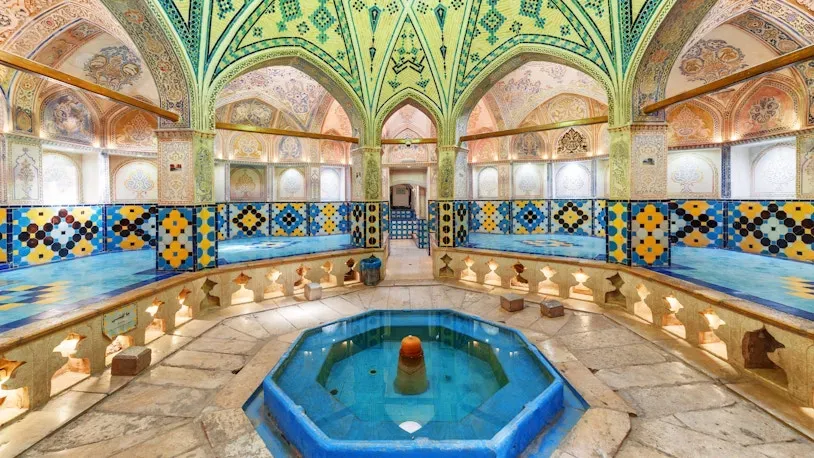
The Turkish bath experience invites you into a centuries-old ritual that blends cleansing, pampering, and cultural connection in a traditional Turkish bath setting, where marble, steam, and quiet companionship create a sense of time suspended. From grand marble halls to softly humid rooms, this guide explores hammam etiquette, helps newcomers understand Turkish bath rules, and encourages you to absorb the ritual through mindful breathing, gentle conversation, and patient progress. With practical hammam tips and a respectful mindset, you can savor the slowed pace, the fragrance of olive oil soap, the kese exfoliation, and the subtle massage that often accompanies the cleansing ritual. As you prepare, consider what to wear, what to bring, and how to observe local customs so your experience remains comfortable for you and fellow guests while you navigate room progression. By balancing curiosity with courtesy, you’ll leave feeling refreshed, connected to a long-standing tradition, and ready to explore more about the world of hammams.
Viewed through different lenses, this experience can be described as a hammam ritual, a steam-bath ceremony, or a traditional Turkish spa practice that honors hospitality. Each term points to the same heart of the tradition: warmth, cleansing, and mindful social space, with careful attention to etiquette and comfort. The practical steps—entering the warm rooms, applying soap, performing a scrub, and rinsing—unfold as a shared ritual, often guided by local staff and shaped by Turkish bath rules. Whether you call it a traditional Turkish bath or a spa-style cleansing ceremony, the emphasis remains on respect, safety, and relaxation. By recognizing these related concepts, you can navigate different hammam environments smoothly and appreciate the cultural significance behind the practice.
Understanding the Turkish Bath Experience: A Multisensory Hammam Ritual
The Turkish bath experience is a multisensory ritual blending steam, heat, cleansing, and cultural connection. In its most revered form, a traditional Turkish bath unfolds across a sequence of steamy rooms designed to open pores, relax muscles, and invite quiet reflection, making the experience feel both ceremonial and soothing.
Engaging in hammam rituals involves the skilled attendant performing a soap wash, exfoliating scrub with a kese, a foamy wash, and a final rinse. This is more than cleansing; it’s a sensory journey that nourishes the skin, calms the mind, and strengthens a sense of shared tradition within a space that honors centuries-old practice.
Preparing for Your Visit: Hammam Tips on What to Wear and Bring
Preparation matters for a comfortable, respectful visit. In many hammams, guests wear a pestemal (a lightweight towel) or a simple swimsuit, while traditional sections may emphasize nudity during cleansing—always follow staff cues and local norms. This is where hammam etiquette begins, and this is where Hammam tips can help you choose attire that balances comfort with respect.
Pack practical items: waterproof sandals or flip-flops to prevent slips, a small towel for modesty between rooms, and a gentle cleanser if you prefer to use one. Do not wear jewelry or hair accessories that could snag during cleansing, arrive clean and dry, and be mindful of scented products that can be overpowering in the heat. Many facilities also provide water or tea in relaxation areas, but it’s wise to review what’s included to align with your hammam tips.
Hammam Etiquette Essentials: Do’s, Don’ts, and Respectful Interactions
Hammam etiquette centers on quiet, respectful behavior. Do speak softly in shared spaces, ask staff for guidance on room progression, and consider private options if that’s your preference. Observing these norms helps create a tranquil atmosphere that enhances everyone’s experience.
Do tip appropriately for the service received, respect modesty and personal boundaries, and communicate any discomfort with scrubs or massages to request a gentler approach. Avoid strong perfumes in the steam rooms, don’t rush the ritual, and show appreciation for the staff’s skill—the calm tempo and courtesy are integral to the hammam experience.
Choosing the Right Hammam: Turkish Bath Rules, Privacy, and Traveler Considerations
Not all Turkish bath experiences are the same. Historic, city-center hammams can differ markedly from modern spa-like facilities aimed at travelers. When choosing a hammam, consider Turkish bath rules that matter to you—privacy options, gender-segregated spaces, and the level of ceremonial ritual versus contemporary comfort.
Key considerations include cleanliness and maintenance, staff professionalism, privacy options, language accessibility, and price. Look for inclusive packages (towels, soap, and drinks) and verify whether massages or special scrubs are included or optional. Asking upfront helps you select a space that aligns with your comfort and expectations.
Maximizing Relaxation and Skin Health: Hammam Rituals and Aftercare
The core hammam ritual features a sequence designed to cleanse and renew: warm-up and acclimation, a kese exfoliating scrub with olive oil soap, a foaming wash, and a rinsing. This ceremonial flow—often enhanced by skilled attendants—delivers a deep-cleanse while nurturing the skin through steam, heat, and massage-like touches that feel soothing and rejuvenating.
Aftercare enhances the benefits: hydrate generously, rest in a quiet lounge, and allow the body to cool gradually. Following the hammam rituals with mindful pacing and a calm mindset helps you carry the renewal into daily life. With the right approach and some hammam tips, you’ll leave feeling refreshed, balanced, and connected to a traditional Turkish bath heritage.
Frequently Asked Questions
What is the Turkish bath experience like and how does hammam etiquette shape it?
The Turkish bath experience is a multi-room ritual of steam, cleansing, and relaxation. In a typical hammam, you move from a cool anteroom to a warm space and finally to a hot area for cleansing performed by an attendant. To honor hammam etiquette, speak softly, follow staff guidance on room progression, dress in a pestemal or a light swimsuit, and tip politely for the service.
What are practical hammam tips for first-time visitors to a traditional Turkish bath?
Hammam tips for first-time visitors include arriving clean, wearing a pestemal or light swimsuit, and bringing waterproof sandals to protect your feet. Let staff guide you on private options and the appropriate level of pressure if you opt for a scrub. Hydrate before and after, avoid strong perfumes, and pace the experience to enjoy the cleansing and relaxation fully.
What should a traveler know about Turkish bath rules when visiting a hammam?
Turkish bath rules vary by venue, but two constants are respect for privacy and following staff cues. In traditional sections, nudity may occur during cleansing, while modern facilities may offer private or gender-segregated options—ask at the desk if you’re unsure. Keep noise to a minimum, tip appropriately, and avoid wearing scented products in the steam to keep the air comfortable for everyone.
Which hammam rituals are commonly offered in a traditional Turkish bath and what to expect during cleansing?
Hammam rituals typically include acclimation, a kese exfoliating scrub, a foam or olive-oil soap wash, a rinse, and optional massage or oil rub, followed by a final cool-down. The kese mitt and traditional soaps are common in a traditional Turkish bath, and guests can decline any step. This sequence provides cleansing, exfoliation, hydration, and a chance to slow down and enjoy the ritual.
How does a traditional Turkish bath experience differ between historic hammams and modern spa facilities?
Historic hammams and modern spa-style Turkish bath experiences differ in atmosphere, maintenance, and services. Historic centers emphasize authentic architecture and traditional rituals, while modern facilities may offer private rooms, English-speaking staff, and clear inclusions. Regardless of type, prioritize cleanliness, staff professionalism, and privacy options to tailor the Turkish bath experience to your comfort.
| Aspect | Key Points |
|---|---|
| What the Turkish bath experience is all about? | A multi-room ritual built around steam, heat, cleansing, and social relaxation; marble interiors; a sequence of progressively warmer rooms; cleansing by attendants; a sensory experience that nourishes the skin and relaxes the mind. |
| Preparation and attire | Guests typically wear a pestemal (light towel) or swimsuit; traditional sections may involve nudity—follow staff cues; bring flip-flops, a small towel for modesty, and avoid jewelry; arrive clean and avoid scented products; consider privacy options. |
| Etiquette and dos and don’ts | Speak softly; ask for guidance; tip appropriately; respect modesty and boundaries; avoid strong perfumes in steam rooms; don’t rush; show appreciation for staff. |
| Step-by-step cleansing ritual | Warm-up and acclimation; soaping and scrubbing with kese; foaming wash; rinse and rest; optional massage or oil rub; final rinse and cool-down. |
| Choosing the right hammam | Look for cleanliness, professional staff, privacy options, language support, and clear inclusions or pricing to avoid surprises. |
| What you can learn beyond cleansing | Cultural immersion, hospitality, mindfulness, and the social aspect of shared ritual—along with skin benefits from exfoliation and steam. |
| Tips for travelers | Time visits to avoid crowds; hydrate before and after; communicate preferences; embrace the ritual slowly; observe local customs; relax in quiet lounges after the session. |
Summary
Turkish bath experience, zihin ve beden üzerinde sakinleştirici bir ritüelin kapısını aralayan zengin bir kültürel deneyimdir. This descriptive journey highlights how steam, warmth, and skilled attendants create a multisensory cleanse that nurtures skin, calms the mind, and invites mindful social ritual. Proper preparation, etiquette, and choosing the right hammam enhance comfort and respect for local customs. Beyond cleansing, the Turkish bath experience offers cultural immersion, hospitality, and a slower pace of life that travelers can carry with them as a soothing memory of a timeless tradition.