
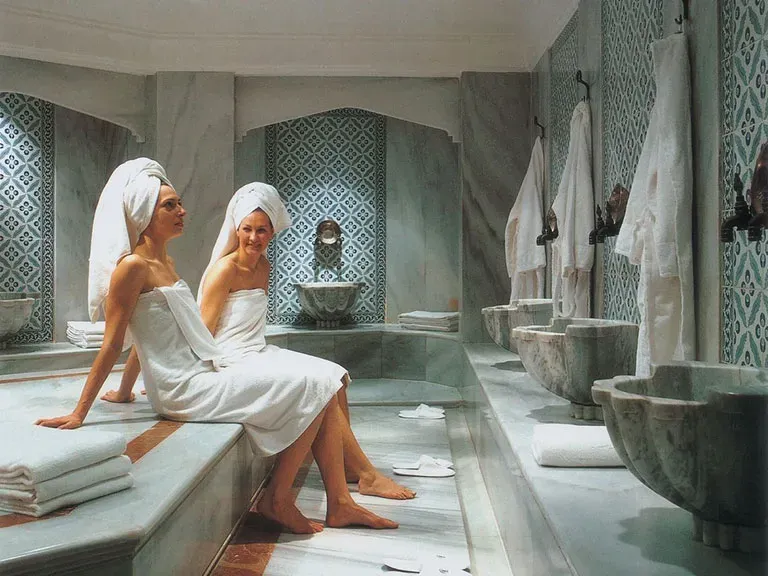
Turkish hammam rituals blend cleansing with social warmth, inviting travelers to slow down and savor a moment of quiet luxury. Alongside cleansing, Turkish bath etiquette guides respectful interaction, modesty, and patience as you move through the steamy spaces. From the warm chamber to the steam room, guests follow a time-honored sequence that invites relaxation and renewal. Even first-timers can sense the care that goes into each step, from preparation to a soothing rinse. In short, this welcoming ritual culture remains a cornerstone of Turkish hospitality and wellness.
Viewed through an alternative lens, the traditional Turkish bath process unfolds as a sequence of warming, cleansing, and cooling moments. In this light, modern spa comforts blend with Ottoman bathhouse heritage, offering steam, quiet atmosphere, and attentive attendants guiding the flow. Accessibility and etiquette remain important, ensuring everyone feels welcome while preserving the ritual’s contemplative pace. Whether you seek skin renewal, relaxation, or social connection, the bathhouse tradition invites a balanced, multisensory experience. As you leave, you carry a sense of renewal grounded in centuries of Turkish communal wellness.
What to Expect in a Hammam: A Stepwise Guide to the Traditional Turkish Bath Process
Entering a hammam unfolds as a gentle progression from cooler spaces to the heat of the steam room. You’ll be welcomed with calm hospitality, guided by attendants, and wrapped in a pestemal for modesty and comfort. This sequence mirrors the traditional Turkish bath process, emphasizing patience, breath, and the anticipation of cleansing.
To answer what to expect in a hammam, picture a curated progression: warm rooms, activation of steam, a kese exfoliation, a rich soap lather, a foam massage, and a final rinse. Whether you opt for a full service or a self-guided cleanse, staff can tailor the experience, keeping the focus on relaxation, skin preparation, and ritualized care—the core elements of hammam rituals.
Turkish Bath Etiquette: Respectful Practices for a Relaxing Hammam Experience
Respectful behavior is central to Turkish bath etiquette. Modesty and consent guide every interaction, from how you dress to how you communicate comfort levels with attendants. The pestemal wrap is more than clothing; it signals readiness to move through spaces with dignity.
Ask questions and listen: staff often explain room order, heat levels, and available services, ensuring your comfort. Tipping attendants for services such as kese exfoliation or foam massage is customary, and recognizing their expertise reinforces the hospitality embedded in Turkish bath etiquette.
Kese, Foam, and Massage: The Core Hammam Rituals You Need to Know
The kese, foam, and massage are the core Hammam Rituals that define the experience. Exfoliation with a kese removes dead skin and prepares the skin to receive moisture, followed by soap lather that helps cleanse and reveal a brighter surface. These steps are a practical expression of the traditional Turkish bath process in action.
Foam massage afterward eases muscle tension and encourages a lingering sense of renewal. Together, these steps—the traditional Turkish bath process in action—form a rhythm that balances cleansing with relaxation, making the ritual a mindful practice as much as a skincare routine.
Benefits of Turkish Hammam: Physical Wellness, Skin Renewal, and Inner Calm
Beyond cleansing, the hammam offers tangible effects. The steam opens pores and improves circulation, while exfoliation supports smoother skin and better product absorption. The benefits of Turkish hammam extend to mood and stress reduction, and many guests report a greater sense of wellbeing after a session.
In addition to physical effects, there is a social and mood benefit: shared quiet spaces foster a sense of connection and community, which many travelers value as part of the authentic experience. The overall outcome is a refreshed body and a soothed mind, with skincare benefits layered into a broader wellness practice.
First-Timer Planning: Practical Tips for a Comfortable Visit
For first-timers, planning and packing can help you feel prepared. Booking in advance at popular hammams ensures you get your preferred services and time, and knowing what to wear—typically a pestemal wrap with optional swimwear underneath—reduces hesitation.
On arrival, take your time to acclimate, communicate your comfort level, and hydrate. Start with shorter sessions and lighter exfoliation if you’re new, and remember that the ritual is meant to be enjoyed slowly; allow yourself to absorb the atmosphere, the warmth, and the quiet moment of renewal.
Frequently Asked Questions
What should I expect in a hammam during Turkish hammam rituals?
In a traditional Turkish hammam, you can expect a progression through warm to hot rooms, guided or self-guided cleansing, and a respectful social atmosphere. You’ll typically wrap in a pestemal, experience kese exfoliation or soap foam, and finish with a rinse and optional foam massage. Turkish bath etiquette emphasizes comfort, consent, and modesty throughout the hammam rituals.
What are the key steps in the traditional Turkish bath process and hammam rituals?
The traditional Turkish bath process generally follows these steps: arrival and preparation; the warm room and steam phase; cleansing and exfoliation with kese; a thorough rinse and rest; and optional massage and concluding touches. These steps form the core of hammam rituals, combining cleansing, exfoliation, and relaxation for a holistic experience.
How does Turkish bath etiquette influence participation in hammam rituals?
Turkish bath etiquette guides respectful behavior in hammam rituals, including modest attire (pestemal), clear communication of comfort levels, appropriate boundaries, and polite tipping for services. Following etiquette helps ensure everyone feels safe and relaxed while you enjoy the cleansing, exfoliation, and massage components of the ritual.
What are the benefits of Turkish hammam rituals for skin and well-being?
Beyond cleansing, Turkish hammam rituals offer benefits such as improved circulation, eased muscle tension, and smoother skin from exfoliation. The steam opens pores and promotes relaxation, contributing to reduced stress and a renewed sense of well-being as part of the overall hammam experience.
How long does a typical hammam session last and should I book in advance for the traditional Turkish bath process?
A typical hammam session lasts about 45 to 90 minutes, depending on services chosen. Booking in advance is recommended, especially at popular historic hammams, to secure your preferred time and ensure access to the full traditional Turkish bath process and hammam rituals.
| Aspect | Key Points | Notes / Examples |
|---|---|---|
| What makes a hammam experience unique | Sequence: preparation, cleansing, exfoliation (kese), soap/foam, rinse, massage | Aims for cleansing, relaxation, and improved circulation; atmosphere and etiquette matter. |
| Environment and tools | Warmth and serene spaces, pestemal wrap, marble/doméd ceilings, steam, kese, sabun | Modesty and comfort are emphasized; traditional tools enhance the experience. |
| Common service options | Full-service (kese + foam massage) or self-guided cleanse | Attendants may guide guests or guests may opt for self-care. |
| Key steps in the process | Arrival & preparation; warm room; cleansing & exfoliation; rinse & rest; optional massage; aftercare | Flexibility exists by facility; order of steps is generally maintained. |
| Benefits | Relaxation, improved circulation, smoother skin, sense of renewal | Social aspects contribute to overall well-being and community feeling. |
| Etiquette and practical tips | Modesty, consent, tipping, hydration, communicate comfort | Follow local norms and communicate needs to staff. |
| Typical session details | 45–90 minutes; booking recommended; attire: pestemal wrap | Duration varies with services and location; plan accordingly. |
| First-timer tips | Go slow, start with milder exfoliation, ask questions, pace yourself | Mindful approach helps you adapt to ritual and heat. |
Summary
Turkish hammam rituals, derin bir rahatlama, cilt yenilenmesi ve kültürel keşfin bir birleşimini sunan köklü bir gelenektir. Bu deneyim, hazırlık, buhar odası, kese ile peeling, sabun köpüğü ve masaj gibi dikkatle dizilmiş adımlar üzerinden kendini gösterir; mekânın sıcaklığı, mermer dokusu ve sakinleşen nefesler ile ziyaretçiye bedensel ve ruhsal bir tazelenme sunar. Geleneksel hammam deneyimleri, yalnızca temizliğe değil, aynı zamanda toplumsal bağ kurmaya ve şehirlerin tarih kokan atmosferini hissetmeye olanak verir. Rehberler ve ziyaretçiler arasındaki etkileşim, saygı ve mahremiyeti ön planda tutar; ziyaretçiler, kendi konfor sınırlarını belirtip alçakgönüllü bir ruh haliyle bu ritüeli deneyimleyebilirler. Modern hammamlar ise gelenek ile çağdaş spa konforunu bir araya getirir ve temizliğin yanı sıra gevşeme, esneklik ve cilt bakımı hedeflerini destekler.