
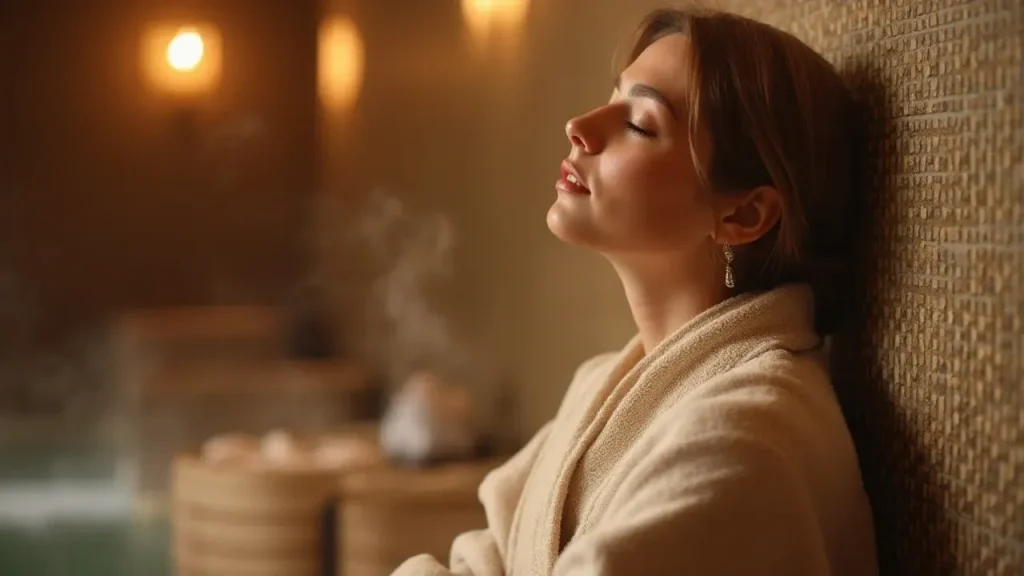
Turkish hammam self-care ritual blends heat, water, and mindful cleansing into a transformative sensory experience. This flow follows a respectful progression through warm and hot rooms, echoing Turkish bath etiquette while inviting deeper relaxation. Steam bath techniques warm the body, soften the skin, and prepare it for cleansing, supporting wellness through hammam. Soap in the hammam, often a fragrant traditional soap, enhances cleansing and signals the transition to exfoliation and massage. Above all, the ritual invites a pause from daily distractions, revealing Turkish hammam ritual benefits through mindful heat, cleansing, and rest.
Seen through semantic relationships, the Turkish bath practice can be described with alternative terms such as hammam tradition, bathhouse ritual, and Ottoman-era spa ceremony. An LSI-informed approach also ties in related phrases like steam room techniques, steam bath culture, traditional soap rituals, and Turkish spa etiquette to the core concept of mindful cleansing. This broader terminology creates a web of interconnected ideas—wellness through hammam, heat-and-moisture therapies, and skin care rituals—that improve search relevance while keeping the description engaging. Ultimately, readers picture a steam-filled sequence that moves from warmth to cleansing to rest, understanding how culture and technique converge in a holistic wellness experience.
Turkish hammam self-care ritual: steps, steam, and skin benefits
Begin your Turkish hammam self-care ritual by acknowledging the space itself: a series of rooms warmed to different temperatures, designed to cradle the body as it settles into calm. The heat and humidity soften the skin, making cleansing a more intentional act rather than a rush to rinse. In this moment, breath slows, and attention turns inward, inviting a sensory pause that anchors the mind and body. This ritual is not mere washing; it is a deliberate practice of presence, where skin health and internal balance become the measure of progress. These experiences offer Turkish hammam ritual benefits: a calmer mind, smoother skin, and a grounded sense of balance.
From warm room to hot room and finally a cooling stage, the journey uses steam bath techniques to gently guide the body into deeper relaxation. The rhythm mirrors natural cycles, and the aromatics, soft lighting, and water sounds contribute to a sanctuary-like atmosphere. As the body expands with heat, the mind also loosens, making space for mindful cleansing and a renewed sense of energy, a core element of wellness through hammam.
Steam bath techniques: harnessing heat and humidity for relaxation and circulation
Steam bath techniques in the hammam are more than heat; they are a structured approach to soften the skin, loosen muscle tension, and prime the body’s natural detox processes. Proper breath, steady light, and slow movements help maximize the benefits of steam and humidity, encouraging pores to open and toxins to loosen in a safe, controlled way. In this setting, the room’s temperature gradient works with physiology to prepare for cleansing steps.
Engaging in this sequence can enhance circulation, support relaxation, and improve skin hydration, offering wellness through hammam and other well-documented benefits; many participants report better mood and a calmer nervous system, underscoring why steam-centered rituals remain central to traditional baths and modern spa experiences.
Soap in the hammam: lather, exfoliation, and fragrant cleansing rituals
Soap in the hammam is a ceremonial tool as much as a cleansing agent. Rich lathers and scented oils help soften the skin and invite a deeper sense of aroma-assisted relaxation. Applied in circular, mindful strokes, soap acts with the kese scrub mitt to lift surface dead skin and reveal smoother texture beneath. The ritual of soap in the hammam is a tactile cue that slows time and sets the tone for a thorough cleanse.
Exfoliation with traditional kese and a generous soap lather turns cleansing into a ritual of care rather than a chore. After the scrub, the rinse reveals brighter skin and a fresh sense of vitality, linking physical renewal with mental clarity. This cleansing stage anchors wellness through hammam, reinforcing how fragrance, texture, and water combine to support ongoing skin health and relaxation.
Turkish bath etiquette: respect, community, and mindful presence
Turkish bath etiquette shapes everyone’s experience, from how one moves through the spaces to how conversations are shared. Quiet chatter, respectful proximity, and patience with others’ routines demonstrate consideration in a crowded thermal environment. Understanding etiquette also means honoring privacy and personal boundaries, recognizing that the hammam is both a public space and a place for individual renewal.
In modern settings, etiquette evolves with spa culture: greetings and towels, showering before entering, and allowing others their own pace. Practicing mindful presence while respecting rules helps maintain harmony in multi room facilities, whether in a traditional hammam or a contemporary wellness center. This sense of courtesy complements the physical ritual, turning a cleansing routine into a shared moment of calm and respect.
Wellness through hammam: benefits, longevity, and modern adaptations
Wellness through hammam is a holistic concept that links physical benefits with psychological renewal. Regular exposure to controlled heat, steam, and cleansing can reduce perceived stress, improve skin hydration, and support healthy circulation. The cumulative effect is a grounded sense of well-being that extends beyond the bath into daily life, aligning body and mind through a disciplined routine.
To integrate this ancient practice into modern life, many people adapt the sequence for home use—steam showers, loofahs, and gentle soap in a hammam inspired routine—while visiting dedicated hammam facilities for deeper cleansing. By combining traditional steps with your personal preferences, you can sustain the ritual’s benefits and maintain the meditative rhythm that characterizes the Turkish hammam tradition.
Frequently Asked Questions
What is the Turkish hammam self-care ritual and what are its core Turkish hammam ritual benefits?
The Turkish hammam self-care ritual blends heat, water, and mindful cleansing to create a transformative sensory experience. Core benefits include improved skin health, better circulation, and enhanced mental clarity, delivered through a paced sequence of warming rooms, cleansing with soap, and rest.
Which steam bath techniques are used in the Turkish hammam self-care ritual to maximize relaxation?
The ritual uses gradual heating in a warm room that moves to hotter spaces, letting steam soften the skin and prepare for cleansing. Focus on steady breathing, gentle movement, and mindful rinsing as you transition between rooms—the essence of steam bath techniques in the hammam.
How should soap be used in the hammam as part of the Turkish hammam self-care ritual?
Fragrant soap is applied to hydrate and scent the skin, typically in the hotter spaces, followed by thorough rinsing. The goal is mindful cleansing that leaves skin nourished and senses refreshed.
What is the etiquette in a Turkish bath when practicing the Turkish bath self-care ritual?
Respect others, speak softly, and move at a measured pace. Follow the sequence and allow space for others; Turkish bath etiquette supports communal, mindful self-care.
How does the Turkish hammam self-care ritual support wellness through hammam in daily life?
By combining heat, cleansing, and rest, it fosters relaxation, balance, and mental clarity, making wellness through hammam a sustainable element of a modern routine.
| Key Point | Description |
|---|---|
| What it is | Blends heat, water, and mindful cleansing into a transformative sensory experience; more than a wash; engages body and mind; invites a pause from daily distractions to regain balance. |
| Core elements | Steam-filled rooms, fragrant soaps, etiquette, and modern adaptations that shape the ritual. |
| Setting and progression | Traditional hammams are multi-chamber spaces that gradually move from warm to hot, then cool down, mirroring the body’s rhythms; aromas, soft light, and rhythmic water sounds enhance immersion. |
| Heart of the ritual | Consciously paced sequence focusing on skin health, circulation, and mental clarity; not rushed, but thoughtful engagement with heat, cleansing, and rest. |
| Cultural context | Roots in Roman bath culture and Ottoman life; historically a space for social connection, ritual cleanliness, and urban life; today blends tradition with contemporary spa elements. |
| Modern relevance | Maintains wellness significance in Turkey and beyond when approached with respect for history and others; a gateway to mindfulness and a healthier routine. |