
From steam to silk, the Turkish hammam invites you into a self-care ritual unlike any other. This ancient practice blends heat, hydration, exfoliation, and mindful quiet, unlocking Turkish bath benefits for body and mind and anchoring the hammam ritual and steam experience. Whether you’re a traveler seeking cultural immersion or a wellness enthusiast pursuing deeper self-care, the Turkish hammam invites you to slow down and reconnect in a space that echoes a traditional Turkish spa. The allure isn’t just the steam; it’s the ceremonial pace, the textures of soap and towel, and the hammam steam room etiquette that guides respectful participation in this timeless ritual. As you explore, you’ll notice how the experience can be framed against the Turkish bath vs sauna comparison, and how these rituals can weave into a modern wellness routine.
Beyond the name Turkish hammam, you can think of this steam-infused ritual as the Ottoman bathhouse tradition—an integrated sequence of heat, cleansing, and social calm. In other words, the Anatolian steam bath is a traditional Turkish spa practice that emphasizes a sensorial journey from warm rooms to refreshing scrubs. The balance of humidity, temperature, and ritual movements fosters cleansing of the skin, improved circulation, and a meditative pace that aligns with cultural etiquette and personal care. Within this context, terms such as bathhouse ritual, steam room etiquette, and sauna comparisons help readers understand how the hammam fits into broader wellness traditions. Whether you call it a Turkish bath, a steam bath, or a ceremonial bath, the essential idea remains a holistic ritual that rejuvenates body and mind.
Turkish hammam: A Time-Honored Self-Care Ritual for Body and Mind
From the moment you step into a traditional Turkish spa, the experience unfolds as a deliberate, sensorial journey. The heat and humidity invite your pores to soften, your muscles to loosen, and your breathing to slow, creating a foundation for a mindful reset that touches both skin and mood. This is the essence of the Turkish bath experience—a ritual that blends cleansing, hydration, and quiet reflection into a cohesive self-care practice.
As you progress through the spaces, the rhythmic sequence—gentle warmth, a kese exfoliation, a rich olive oil soap lather—transforms cleaning into ceremony. The ritual acknowledges the body’s rhythms and invites you to move with intention, turning cleansing into a meditative act. In this context, the Turkish hammam offers more than surface benefits; it serves as a cultural practice that nurtures skin, circulation, and a sense of inner calm that lingers long after you depart.
The Hammam Ritual and Steam: From Heat to Hydration and Renewal
The hammam ritual relies on the interplay between hot steam and moisturizing touchpoints, guiding you from a steamy, open-pore state to a refreshed, hydrated finish. This process supports circulation, lymphatic drainage, and gentle skin renewal, aligning with the broader concept of Turkish bath benefits that wellness seekers often seek in traditional spa rituals.
During the steam-charged arc, exfoliation reveals brighter skin, while the soap’s emollients cushion and protect the body. The final massage or oil application seals moisture, fostering a lingering sense of buoyancy and clarity. This sequence—steam, scrub, soap, and soothing touch—embodies the hammam ritual and steam as a holistic practice that can be woven into modern self-care routines.
The Traditional Turkish Spa Atmosphere: Architecture, Materials, and Quietude
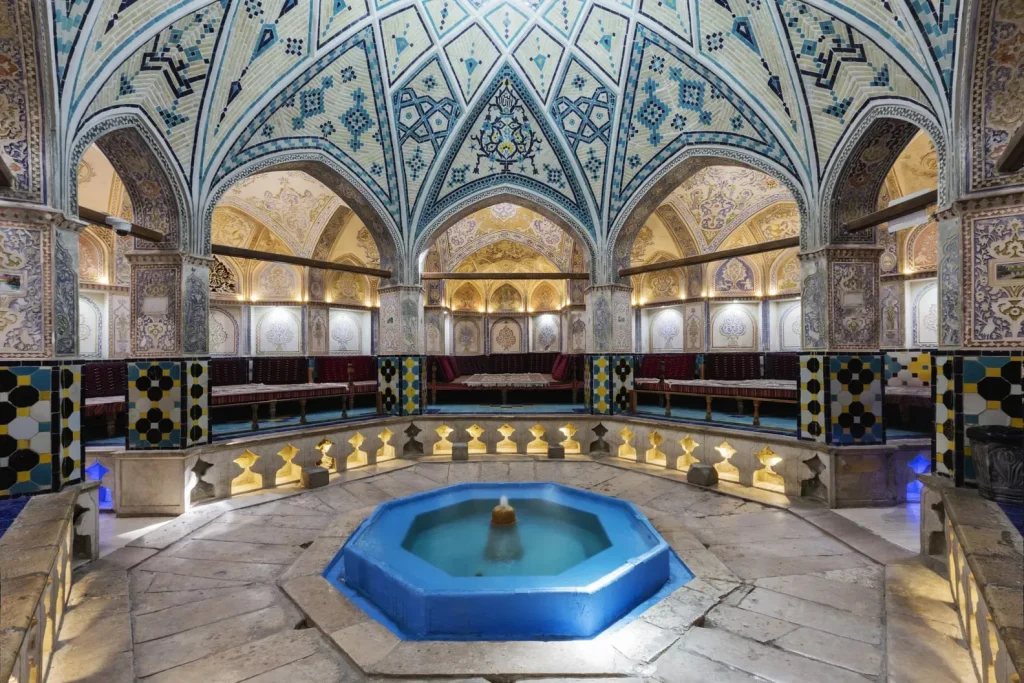
The mood of a traditional Turkish spa is inseparable from its architecture and sensory materials. Marble surfaces, warm gold tones, and copper kettles create a tactile, echoing space that invites slow movement and quiet presence. The air is perfumed with olive oil soap and natural cleansers, while a softly filtered glow and the distant clink of metal evoke generations of ritualized care.
This atmosphere isn’t mere décor; it sets a pace that supports mindfulness and relaxation. The design elements—cooling lounges, the fragrance of steam, and the tactile textures of towels and scrubs—immerse you in the experience, turning a cleansing routine into a meditative practice reminiscent of a traditional Turkish spa where body and mind can reset together.
Hammam Steam Room Etiquette and Practical Tips for First-Time Visitors
Entering the hammam with respect and patience is part of the ritual itself. For first-timers, plan for a dedicated visit where you can follow the sequence—heat, cleansing, exfoliation, and massage—without feeling rushed. Dress codes vary by venue, but modest attire or a wrap is common, and many hammams provide towels and washcloths to support hygiene and comfort.
Hammam steam room etiquette emphasizes gentle movement, listening to staff directions, and staying hydrated. If you feel overheated, take a short break in a cooler area and sip water between stages. Tipping practices differ by country and venue, but a courteous thank-you and appreciation for the attendants who perform the scrub or massage go a long way.
Turkish Bath vs Sauna: Understanding the Differences and Benefits
When comparing Turkish bath practices with saunas, the most notable distinction is the humidity level. A hammam relies on high humidity and moist heat, whereas many saunas emphasize dry heat at higher temperatures. This moisture-rich environment supports the exfoliation process and the skin’s receptivity to cleansing, contributing to unique Turkish bath benefits.
The social dimension also diverges: hammams often invite conversations, shared spaces, and reflective stillness within a steamy, communal setting. In contrast, some sauna experiences emphasize solitude and concentrated heat. Understanding these differences helps you appreciate the Turkish hammam’s holistic approach to cleansing, relaxation, and wellness, and how it complements—and sometimes contrasts with—other spa traditions.
Frequently Asked Questions
What are the Turkish hammam benefits for skin and wellbeing?
Turkish bath benefits include improved skin texture, better circulation, and deeper relaxation. These Turkish bath benefits can show up with regular hammam visits as you calm the nervous system, ease muscle tension, and support restorative sleep. The social and ceremonial aspects of the Turkish hammam also contribute to mood and overall wellbeing.
How does the hammam ritual and steam unfold in a typical Turkish hammam session?
In a typical Turkish hammam session, you move from warm, humid rooms that open the pores to exfoliation with a kese and a luxurious olive oil soap lather, followed by a soothing massage. The hammam ritual and steam sequence are designed to cleanse, hydrate, and renew body and mind in a deliberate, sensorial pace. The progression—from heat to renewal—reflects the ritual’s intent to balance cleansing with relaxation.
What defines a traditional Turkish spa experience, and how does it compare to the Turkish bath vs sauna?
A traditional Turkish spa emphasizes a ceremonial arc—from heated rooms to scrubbing, soaping, and massage—rather than a quick wash. In a traditional Turkish spa, the emphasis is on heat, moisture, ritual, and social space. When comparing to a sauna, the Turkish bath vs sauna differences include higher humidity, a slower pace, and a stronger focus on cleansing and ritual.
What is proper hammam steam room etiquette for first-timers?
Hammam steam room etiquette for first-timers includes following staff instructions, moving slowly in the heat, and respecting the shared space. Wear modest attire or a towel as local practice dictates, bring a small towel and water, and avoid rushing through the steps. Aftercare matters: rinse, moisturize, and enjoy the lingering sense of renewal.
How does the Turkish bath (hammam) compare to a sauna in terms of heat, humidity, and ritual?
The Turkish bath offers moist heat with high humidity, unlike a dry sauna’s air. The experience typically includes exfoliation, soap cleansing, and a communal or tranquil atmosphere, creating a slower, more meditative pace. This holistic approach to cleansing, hydration, and relaxation is a key distinction of the Turkish bath from a sauna.
| Topic | Key Points |
|---|---|
| Definition | A ritualized sequence of spaces and actions designed to promote cleansing, circulation, and relaxation; warmth and humidity open pores; exfoliation with kese, olive oil soap, and a concluding massage can follow. |
| Core Steps | Begin with warmth and humidity, then scrub with kese, followed by soap lather, and finish with a massage or gentle stretching. |
| Benefits | Improved skin texture and circulation; reduced stress; social connection; potential for better sleep and mindfulness with regular practice. |
| Ambience | Marble architecture, warm tones, copper vessels; steady heat; faint steam and olive oil scent create a meditative, present atmosphere. |
| Etiquette & Practical Tips | Arrive with an open mind; towels or modest wraps; stay hydrated; follow staff instructions; tipping is appreciated; plan for 60–90 minutes. |
| Regional Variations & Modern Adaptations | Full ceremonial arc preserved or simplified; modern additions like heated stone loungers, aroma steam, or private rooms while keeping core cleansing and relaxation goals. |
| Hammam vs Saunas | Hammams use high humidity and moist heat; exfoliation and soaping are typical features; social component distinguishes the experience from many saunas. |
| Incorporating into Self-Care | Treat as a dedicated ritual rather than a quick stop; schedule 60–90 minutes; pair with a light meal and water; aftercare with moisturizer or oil; monthly visits can anchor ongoing wellbeing. |
Summary
Turkish hammam is a timeless self-care ritual that blends heat, moisture, exfoliation, and mindful quiet into a holistic experience. The ritual unfolds across warm, steam-filled spaces where skin is prepared, treated, and renewed, while calm and connection settle into body and mind. By honoring the traditional sequence and adapting to modern life, you can invite calmer breath, smoother skin, and a deeper sense of embodiment and belonging through the Turkish hammam.