
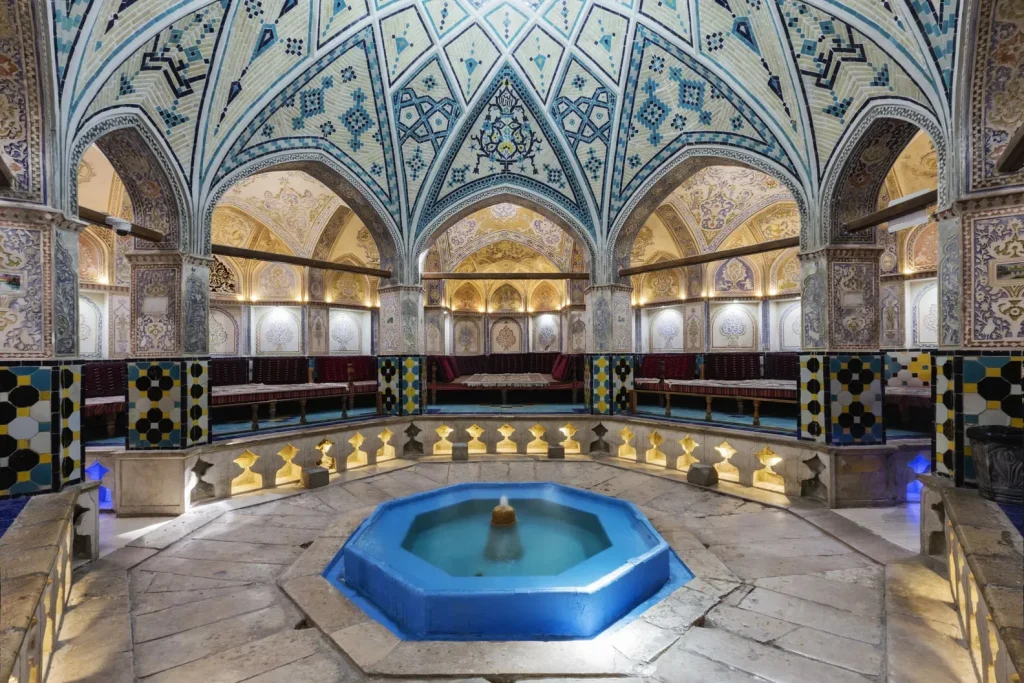
Turkish Hammam invites travelers into a centuries-old ritual of heat, steam, and communal cleansing that many find both comforting and expressive. Architectural marble, softly lit spaces, and a patient, respectful pace set the tone for a cultural experience rather than a mere bath. The hammam process unfolds through a refined sequence—from a warm room to a hotter chamber, then exfoliation with kese, soap lather, and a soothing massage. This ceremonial journey reflects a heritage where cleanliness, hospitality, and social connection are woven into daily life. For first-timers, learning etiquette, what to wear, and what to expect helps you participate with confidence and appreciation.
From an alternative-language perspective, this experience can be described using terms like bathhouse ceremony or steam bath, signaling the same core activity without overreliance on a single label. You might also encounter references to the Ottoman bath tradition or to a Turkish spa culture, underscoring the historic roots and architectural beauty. The surrounding language links heat, marble slabs, exfoliation, and massage with broader wellness rituals and social hospitality. In this way, whether you call it a hammam, a Turkish bath, or a steam bath, the essential experience remains a cleansing, social, and rejuvenating ritual.
What Is Turkish Hammam? Exploring the Ancient Ottoman Bath Tradition
Turkish Hammam describes the bathhouse as a ceremonial, heat-driven space rooted in Turkish and Ottoman culture. While travelers may hear Turkish bath used interchangeably, the hammam refers to both the architectural space and the ritual sequence—heating, steam, cleansing, and social gathering—whereas the Turkish bath is often used by English speakers to describe the same experience in different settings. This distinction matters for how you approach a visit to a historic bathhouse or a modern spa, and it frames what you should expect in terms of etiquette and pace.
From the central heated marble table (the hot stone) to the sequence of rooms, bathers progress through warmth, steam, exfoliation, and rinsing, a design that mirrors centuries of ritual. The Ottoman bath tradition fused Roman spa influences with Islamic cleanliness rituals and local customs, creating a ceremonial space that continues to shape contemporary hammam experiences across regions.
Hammam Process: A Step-by-Step Journey Through Heat, Exfoliation, and Massage
From arrival to the exfoliation, the hammam process follows a choreographed path that emphasizes heat preparation and cleansing. You typically begin by changing into a pestemal or swimsuit and preparing for a cleansing routine that opens pores and relaxes muscles in the warmer rooms preceding the steam chamber. The kese, a rough exfoliating glove, is used to remove dead skin, often by a trained attendant but sometimes by the bather themselves in modern settings.
After exfoliation, warm water rinses away loosened skin, followed by a lather of traditional soap or olive oil-based soaps and a gentle massage. The massage (masaj) helps circulation and relaxation, and many hammams finish with a rinse, drying, and hydration. Optional remedies like mud masks or aromatic steam therapies may be added, leaving the body refreshed and nourished.
Turkish Bath Rituals: Turkish bath vs hammam and the Personal-Communal Experience
Turkish bath rituals blend quiet contemplation with social connection and self-care. Within the rhythm of heat, foam, and massage, bathers may share a moment with friends or seek solitary renewal. The rituals emphasize presence, cleanliness, and a sense of renewal that remains central even as facilities evolve to modern wellness standards.
As you participate, you may notice how ritual details—timed heat, foaming soap, and the careful massage—contribute to a ceremonial experience. The Turkish bath vs hammam distinction explains differences in language and setting, but the core sequence—heat, exfoliation, and soothing touch—remains consistent across historic baths and contemporary hammams around the world.
Ottoman Bath Tradition: Architecture, Design, and Social Fabric
Architectural features of the Ottoman bath tradition shaped how baths function in daily life: domed ceilings, warm and hot rooms, and intricate tilework create a space of reverence and sociability. The layout supports a flow from private to public spaces and from steam to rest areas, reinforcing the ritual cadence that makes the experience memorable.
Beyond cleansing, hammams served as social hubs and venues for rituals of passage and hospitality. Understanding this social fabric helps explain why etiquette, attire, and staff interactions matter. Modern hammams preserve these values while adapting to new languages, comfort levels, and accessibility needs.
Etiquette, Attire, and Practical Tips for Visitors to a Hammam
Approach the experience with respect and curiosity. In traditional Hammams, attire varies by section, with a pestemal towel and modest coverings common in women’s areas, while many modern facilities offer privacy options or swimsuits in mixed settings. It’s courteous to follow staff cues and use a soft voice to minimize disruption for other bathers.
Practical tips include tipping attendants for scrub or massage services, asking for clarification about steps, and staying hydrated before and after the session. If you have health concerns, let the attendant know beforehand so the Hammam process can be adjusted safely, and always take time to cool down after the cleansing ritual.
Frequently Asked Questions
Are Turkish hammam and Turkish bath the same experience?
In practice, Turkish hammam describes the traditional bathhouse and ritual, while Turkish bath is the English term used for the experience. The core elements—heat, steam, exfoliation, soap, and massage—are shared, with regional variations in how they’re presented.
What is the hammam process in a Turkish Hammam, and what steps should I expect?
A typical hammam process follows a sequence: arrival and preparation, warm room, exfoliation (kese), soap and massage, rinsing and drying, and hydration. Some sessions end with a finishing massage or oil treatment. If you’re sensitive, tell the attendant your comfort level so they can adjust.
How does the Ottoman bath tradition influence a Turkish Hammam today?
The Ottoman bath tradition shapes the architecture, room progression, and etiquette—think domed ceilings, marble surfaces, and a ceremonial pace. This heritage creates a space that blends cleansing, socializing, and relaxation, preserving a sense of reverence in modern Hammams.
What are common Turkish bath rituals performed in a Hammam, and how should I participate?
Common Turkish bath rituals include cleansing, exfoliation, soap lather, and massage, followed by rest and hydration. To participate respectfully, speak softly, follow staff guidance, and clearly communicate comfort and boundaries during each step.
What should travelers consider when choosing between Turkish hammam experiences and Turkish bath facilities in modern settings—Turkish bath vs hammam?
Compare authenticity and ambiance (historic Hammams vs modern spa settings), language support, range of services, and price. Asking about the exact sequence of steps, whether exfoliation or massages are included, helps ensure your expectations align with the experience.
| Topic | Key Points | Notes / Examples |
|---|---|---|
| What is Turkish Hammam? | A bathhouse centered on heat, steam, and a sequence of rooms leading bathers from warmth to cleansing; a hot stone/table often at the center. | Rooted in Turkish/Ottoman culture; ‘hammam’ comes from the Arabic term for hot bath; ritual emphasizes cleansing, socializing, and relaxation. |
| Turkish Hammam vs Turkish Bath | Terminology nuance: Hammam denotes the bathhouse and the ritual; ‘Turkish bath’ typically describes the experience or setting, varying by location. | In practice, English usage may refer to the same experience differently depending on region or facility. |
| Historical & Cultural Context | Ottoman bath tradition; public baths as social institutions with ceremonial architecture. | Domed ceilings, ornate tile work, arches; blends Roman, Islamic and local bathing customs into a distinctive cultural experience. |
| Arrival & Preparation (Step 1) | Leave shoes, change into pestemal or swimsuit; separate sections by gender or rules; secure belongings; begin cleansing routine. | Guidance varies by Hammam; follow staff directions and local custom. |
| Warm Room & Steam (Step 2) | Progress through warmer rooms culminating in a hot, steamy chamber; heat opens pores and relaxes muscles; socializing often happens here. | Room sequence and temperature levels vary by region and facility. |
| Exfoliation (Kese) (Step 3) | Use of a rough exfoliating glove to remove dead skin; can be intense; communicate comfort level with attendant. | Kese is a core ritual; pressure can be adjusted to personal preference. |
| Soap, Foam & Massage (Step 4) | Warm water rinse followed by soap or olive oil-based soap; massage with oils to aid circulation and relaxation. | Part of the cleansing ritual, not always a separate service. |
| Rinsing, Drying & Hydration (Step 5) | Thorough rinse, towels to dry, possible cool-down and rest; hydration with water or warm tea is common. | Hydration is emphasized, especially in traditional hammams. |
| Optional Remedies & Finishing Touches (Step 6) | Additional services like full-body oil massage, mud masks, or aromatic steam therapies. | Choose based on preference and budget; core aim remains rejuvenation. |
| Hammam vs Turkish Bath Relationship | Terminology nuance: Hammam = bathhouse and ritual; Turkish bath describes the experience or setting as perceived by non-Turks. | Modern facilities adapt to local preferences while preserving core elements of heat, exfoliation, and massage. |
| Ottoman Bath Design & Social Fabric | Bathhouses served as community hubs with sequence-based spaces. | Hot room, warm room, cool room design; emphasis on flow, privacy, and ritual. |
| Etiquette, Attire & Practical Tips | Pestemal, modest attire in traditional contexts; quiet speech; tipping; language considerations; health precautions. | Norms vary; ask staff; communicate sensitivities and health concerns. |
| Choosing a Hammam | Consider location, reputation, cleanliness, and range of services; compare historic vs modern Hammams. | Reviews and asking about the exact steps can help align expectations with experience. |
| Rituals & Personal/Communal Side | Rituals emphasize cleanliness, social connection, and self-care; experiences can be quiet or communal. | Rituals can include shared baths, quiet reflection, or time for social interaction. |
| Cultural & Travel Perspectives | Visiting different Hammams highlights variations in heat, exfoliation intensity, and massage options. | Differences reflect local traditions, architecture, and hospitality preferences. |
Summary
Turkish Hammam, sıcaklık ve buharın ritmik dansıyla ortaya çıkan temizliğin, sosyal etkileşimin ve ruhsal yenilenmenin birleşimidir. Bu kılavuzda Hammam sürecinin temel adımlarını, odaların akışını ve kese, sabun, masaj ile dinlenmenin nasıl bir araya geldiğini özetledik; Osmanlı banyolarının mimari zarafeti ile günümüz spa deneyimlerinin uyumunu vurguladık. İlk kez bir Hammam deneyimini değerlendirirken mekanın konumu, temizliği ve personelin iletişimi gibi faktörleri göz önünde bulundurun. Kültürel mirasıyla zenginleşen Turkish Hammam, saygılı davranış ve doğru yönergelerle ziyaretçilere temizlenmenin ötesinde bir rahatlama ve yeniden canlanma sunar; bu deneyim dil, zaman ve mekânı aşan bir ritüel olarak kalıcılığını sürdürür.