
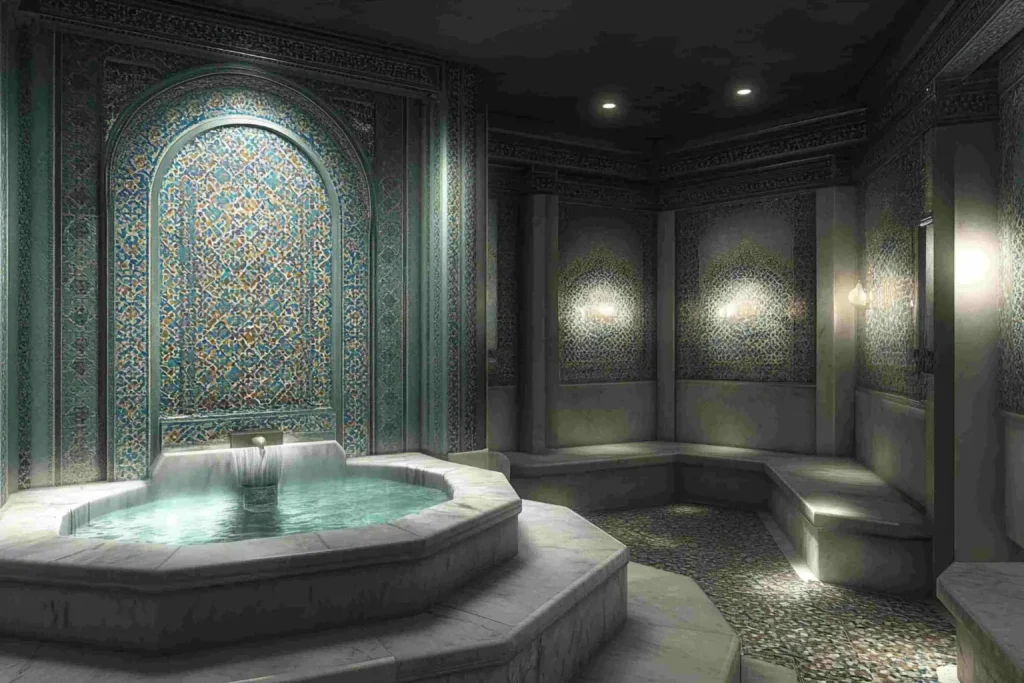
Turkish hammam vs sauna reveals two timeless steam bath paths that promise relaxation, skin refreshment, and mental calm. These experiences invite mindful breathing, social ritual, and a sense of renewal. The hammam emphasizes humidity and ritual warmth, while the sauna invites dry heat and swift sweating. Each offers unique pathways to relaxation, skin care, and muscle recovery. Choosing between them depends on your mood, goals, and comfort with humidity.
From an alternative terminology perspective (LSI-informed), think of the Turkish bath as a ceremonial steam room and the Finnish-inspired dry-heat retreat as a focused heat therapy. How a hammam works is to guide you through a sequence of warmer rooms, a kese scrub, and a shared sense of ritual. Steam bath wellness emerges when humidity and heat combine to support relaxation, breathing, and skin vitality. For many, considering sauna health benefits alongside hammam rituals helps tailor a holistic routine.
Turkish Hammam Benefits and Steam Bath Wellness: A Descriptive Overview
In the Turkish hammam, the air is saturated with humidity, creating moist warmth that opens pores and hydrates the skin. This environment supports gentle cleansing, longer-lasting hydration, and a soothing sense of immersion. When you combine the heat with a guided kese scrub or massage, you often experience a deep relaxation that goes beyond surface-level sweating. These are the core elements behind the Turkish hammam benefits, and they align with the broader idea of steam bath wellness as a holistic practice.
Beyond the physical effects, the ritual atmosphere—soft lighting, aromatic steam, and social pacing—provides mental clarity and emotional reset. The pace is slow and ceremonial, inviting mindfulness as you move through the heat, cleansing, and rinse. This descriptive experience can help reduce tension, improve mood, and set a more tranquil baseline for daily life.
Hammam vs Sauna Comparison: Heat, Humidity, and Personal Preference
When you compare Hammam vs sauna comparison, you notice distinct heat profiles. The hammam delivers moist heat with high humidity, which supports skin hydration and a gentler sweat, while the sauna relies on dry heat that can raise body temperature quickly and trigger a more rapid, intense sweat. The social dynamic also shifts—hammam rituals often emphasize shared spaces and ritual guidance, whereas sauna sessions tend to be quieter and more introspective.
Choosing between Turkish hammam vs sauna often comes down to specific wellness goals. If your focus is respiratory comfort and skin cleansing with a social ritual, the hammam can be a strong fit. If you’re aiming for cardiovascular stimulation, faster heat exposure, and post-workout recovery, the sauna offers distinct advantages, aligning with the sauna health benefits described by researchers and practitioners alike.
Sauna Health Benefits for Circulation, Sleep, and Recovery
Regular sauna use has been linked to a range of health benefits, including improved cardiovascular function, better sleep quality, and accelerated muscle recovery after exertion. The dry heat prompts a robust sweat, enhances circulation, and may support toxin clearance through sweat. These sauna health benefits can contribute to a feeling of vitality and easier post-exercise cooldown.
Different sauna formats—traditional Finnish dry saunas and infrared variants—offer slightly different experiences while delivering similar outcomes. Infrared saunas operate at lower ambient temperatures but heat the body more deeply, which some users prefer for comfort. In any case, moderation, hydration, and listening to your body remain essential for harnessing sauna health benefits safely.
Steam bath wellness: Humidity, Breathing, and Joint Comfort
Steam bath wellness highlights how humid air and heat can ease breathing, loosen joints, and promote a sense of reset. The moist environment can reduce airway resistance for some individuals and facilitate a gentle warm-up for the musculoskeletal system, supporting flexible movement after the session. This is a core part of why many people seek the hammam experience for skincare and overall calm.
To maximize steam bath wellness, hydration is key, as is pacing your session to your tolerance. Focus on deep, slow breaths to derive the most comfort from the moist air, and consider a post-session skincare routine to lock in moisture. Whether you prefer a longer hammam ritual or a quick sauna-like session, the goal is consistent, mindful practice.
How a hammam works: Rituals, Rooms, and Exfoliation
A traditional hammam unfolds through a sequence of rooms with escalating heat and humidity, designed to guide you gradually toward a deep, calming sweat. The journey may begin in a warm, humid antechamber, move into a hotter, drier or more humid room depending on locale, and culminate in a cleansing rinse. The process is often accompanied by a kese scrub, soap lather, and sometimes massage, all integral to the effect and the idea of How a hammam works reflected in the ritual structure.
This ritual isn’t only about heat; it’s about social connection, personal ritual, and a mindful approach to self-care. The attendant-guided cleansing and slow pacing help reduce stress, improve mood, and leave skin feeling refreshed and nourished. When you understand the sequence and etiquette, you can fully appreciate the cultural depth and the consistent benefits of a hammam session.
Frequently Asked Questions
Turkish hammam vs sauna: what are the key differences in heat, humidity, and overall experience?
Turkish hammam sessions emphasize high humidity steam and a ceremonial progression through rooms, often including cleansing rituals like kese and soap. Sauna sessions use dry heat at roughly 70–100°C with low humidity, delivering a quicker, more intense sweat and a quieter atmosphere. The hammam tends to feel social and ritualistic, while the sauna is typically solitary and focused on escape and recovery.
Turkish hammam benefits vs sauna health benefits: which supports skin health best?
Turkish hammam benefits include meticulous skin cleansing and exfoliation through the kese scrub and generous moist heat that opens pores and hydrates the skin. Sauna health benefits emphasize sweating, circulation, and relaxation, which can improve skin tone though the drier heat may feel less hydrating. Both approaches contribute to skin health, so your choice depends on whether you want deep cleansing and moisture or a brisk, cleansing sweat.
Hammam vs sauna comparison for relaxation and stress relief?
From a Hammam vs sauna comparison perspective, the hammam’s slow pace, ritual atmosphere, and social contact can enhance relaxation and mental calm. The sauna’s quiet, focused environment supports introspection and quick stress relief through intense heat and a cooling cycle. Both paths reduce stress hormones and promote mood, so the best fit depends on your social preferences and desired pace.
How a hammam works and how it compares to sauna in practice?
How a hammam works involves a sequence of humid rooms, gradual heat, cleansing rituals, and often a massage or kese scrub, creating a social, ceremonial steam bath experience. In contrast, a typical sauna routine centers on dry heat, shorter sessions, and a cooldown with water or air contrast. When comparing them in practice, humidity and ritual shape the overall feel; you can adjust duration to your tolerance and goals.
Steam bath wellness: should you combine Turkish hammam benefits and sauna health benefits in a routine?
Steam bath wellness can be enhanced by combining Turkish hammam benefits with sauna health benefits, balancing humid cleansing with dry-heat recovery. Many routines alternate sessions—hammam for cleansing and relaxation, then sauna for intense sweating and circulation—while staying hydrated and listening to your body. This approach supports stress reduction, skin health, and muscle recovery when done safely.
| Aspect | Turkish Hammam | Sauna |
|---|---|---|
| What it feels like |
|
|
| Heat, Humidity and Physiology |
|
|
| Primary Wellness Goals |
|
|
| Key Benefits |
|
|
| How a Hammam Works | A traditional hammam involves a sequence of rooms with rising heat and humidity, followed by cleansing rituals such as kese and often massage. The social, ceremonial atmosphere enhances mood and a sense of safety and ritual continuity. | Heat in a dry room, sweat, then cooldown or cold plunge. Many people cycle between hot and cold to stimulate circulation and recovery. |
| Practical Tips |
|
|
| Combining Both Experiences | For a balanced routine, some people start with a hammam to cleanse and relax, then finish with a sauna for deep sweat and circulation. Alternating sessions can maximize relaxation and recovery. | The combination concept can be applied in reverse or by alternating days—hammam one day, sauna another—to suit your schedule and tolerance. |
| Cultural/Personal Experience |
|
|
| Choosing Based on Wellness Goals |
|
|
Summary
Turkish hammam vs sauna is a comparison of two different steam bath traditions that shape how you approach relaxation and wellness. Both offer skin health, relaxation, and circulatory benefits, but they achieve these through humid versus dry heat, ritual versus solitude, and social versus private experiences. The hammam emphasizes humidity and ceremonial cleansing with a social atmosphere, while the sauna emphasizes dry heat, quick perspiration, and focused recovery. Your choice should align with your tolerance for humidity, your preferred pace, and your wellness goals, and both can be incorporated into a balanced routine with proper hydration and safety precautions.