
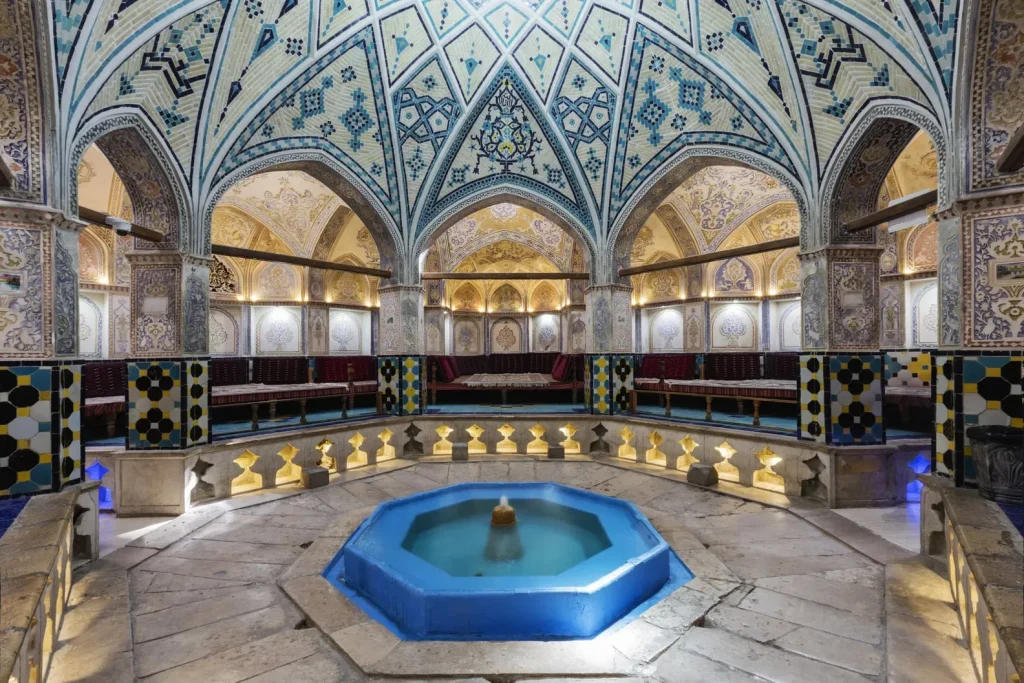
In a Turkish hammam, visitors enter a centuries-old tradition of cleansing, relaxation, and social ritual. Understanding Turkish bath etiquette helps you navigate the space with respect as you move between steam rooms, marble slabs, and attentive attendants. The experience unfolds through a series of steps that guide you from a warm welcome to intense steam, exfoliation with kese, and a foam wash. Exfoliation, foam cleansing, and optional massages are designed to refresh the skin, ease tense muscles, and invite a moment of calm. Even before you arrive, a quick note on dress and preparation can boost comfort and enjoyment.
Beyond the traditional labels, the experience is often described as an Ottoman bath culture or a steam-focused spa ritual that blends heat, scent, and mindful touch. These hammam rituals typically unfold in a sequence of warm and hot rooms, where attendants guide you through cleansing, exfoliation, and massage in a respectful, communal atmosphere. Whether you seek historic public bathhouse charm or a modern spa setting, understanding the etiquette and practical tips helps you prepare and fully savor the sensory journey. Consider practical aspects like dress code choices, hydration, and post-session care to maximize comfort and the lingering sense of renewal. As you explore, you’ll discover how a well-timed ritual of cleansing, warmth, and quiet reflection can become a memorable wellness moment.
Turkish hammam essentials: etiquette, attire, and preparation
Understanding Turkish bath etiquette adds context to every moment in the steam room. The etiquette isn’t only about manners; it frames how you interact with attendants, share space with other guests, and pace yourself through the sequence of rooms. When you enter, you’ll sense the balance of quiet focus, soft conversation, and ceremonial rhythm—the essence of the hammam steps that follow.
As you prepare, consider the common dress norms and what to wear in a hammam. In traditional venues, guests typically wrap a peştemal around the body and move between rooms with modesty and comfort. In more modern spas, swimwear may be acceptable in certain areas. Regardless, the attire choice should respect others and fit the cleansing ritual.
For gear and readiness, bring a towel, sandals, and water; understanding the flow of hammam steps helps you anticipate when to rinse, sit on the marble, or enjoy a gentle foam wash. The overall experience blends practical preparation with cultural respect, making the visit smoother for everyone involved.
Hammam steps decoded: a guided sequence from arrival to cooldown
Hammam steps begin the moment you arrive, setting expectations for the cleansing ritual ahead. The sequence often starts with a changing area where guests wrap in a peştemal and greet the staff, signaling readiness for the ensuing process and the care you’ll receive during exfoliation and massage.
The next phase typically involves a shower to rinse and acclimate the skin to heat and humidity, a crucial part of the hammam steps. Hydration is encouraged here to support circulation as you progress through warm and hot rooms, preparing your body for the deep cleansing to come.
In the main sequence, warm rooms help pores open and oils loosen, while attendants guide you to rest on a marble slab and participate in the steam-influenced relaxation. This is followed by the hallmark exfoliation using a kese and a foam wash, a step you’ll likely remember as the ritual’s signature moment.
After exfoliation, a thorough soap wash, sometimes with a gentler rinse, completes the cleansing cycle. Optional massage or oil treatments may be offered as add-ons, followed by a cooling down in a cooler area to rehydrate and normalize your body temperature, marking the final stages of the hammam steps.
Hammam rituals: exfoliation, foam, and soothing massage
Hammam rituals emphasize tactile cleansing and sensory care. The kese exfoliation reveals smoother skin and helps remove dead cells, setting the stage for a nourishing foam wash that envelops the body in luxurious lather. These rituals—each deliberate and rhythmic—shape a deeply relaxing experience beyond a simple bath.
Foam wash uses traditional soaps that fragrance the air and release a soothing cascade over the skin, enhancing circulation and inviting a moment of mindfulness. When a massage is added, slow, rhythmic strokes further unwind tense muscles, making the hammam a holistic ritual that balances body, breath, and mood.
Attendants perform these hammam rituals with professional care, ensuring comfort and respecting personal boundaries. If you’re new to the experience, communicating preferences for pressure, duration, or product choice helps tailor the ritual to your comfort level while preserving the spa-like atmosphere.
What to wear in a hammam: attire, modesty, and comfort
What to wear in a hammam is both a practical choice and a cultural signal of respect. Many traditional venues favor the peştemal as a versatile wrap that covers modestly while allowing freedom of movement during cleansing and exfoliation. In some modern facilities, a swimsuit may be acceptable in certain zones, but guests often remove it for exfoliation and massage.
The choice of attire should also consider hygiene and comfort. Light footwear like sandals, a small towel, and a bottle of water help you stay secure on wet floors and stay refreshed throughout the session. Being prepared to adapt to the venue’s norms makes the experience smoother for you and respectful toward others who share the space.
If you have sensitive skin or prefer extra modesty, you can opt for fuller coverage with the peştemal or discuss dress options with the staff ahead of time. Clear communication about your preferences helps ensure the cleansing rituals unfold exactly as you’d like, while still honoring the tradition behind the hammam.
Benefits of a hammam: physical renewal, mental calm, and social warmth
The benefits of a hammam extend beyond clean skin. The heat, steam, and exfoliation promote improved circulation and a refreshed complexion, while massage and oil treatments can ease muscle tension and support fatigue relief. Regular sessions, integrated with mindful breathing, can contribute to a sense of physical renewal and mental calm.
Socially, the hammam is a space where locals and travelers share a tradition of cleansing and relaxation, fostering a sense of community even in modern spa settings. The rituals encourage mindfulness and a slowed pace, offering a break from daily stress and a chance to recharge emotionally as well as physically.
From a wellness perspective, the hammam offers hydration benefits and skin cleansing that may improve texture and tone when paired with proper aftercare. While individual results vary, many guests appreciate the holistic impact of hammam routines on circulation, skin health, and overall well-being.
Frequently Asked Questions
What are the typical hammam steps in a Turkish hammam, and what hammam rituals should I expect?
A Turkish hammam typically follows a sequence of rooms such as a shower, a warm room, and a hot room, ending with exfoliation using a kese and a foam wash. The standard hammam rituals may include olive oil soap, a thorough rinse, and optional massage or oil treatment, all designed to cleanse, relax, and renew the skin.
What does Turkish bath etiquette require for first-time visitors to a Turkish hammam?
Respect the venue’s policy on gender spaces and dress modestly, usually in a peştemal. Follow hygiene guidelines (shower before and after), avoid strong fragrances, and tip attendants for services when appropriate to acknowledge good service.
What to wear in a hammam and how should I prepare for the experience?
In many traditional settings, wear a peştemal and keep jewelry modest; some modern facilities allow swimsuits. Bring a small towel, sandals, and water, and check the venue’s dress code in advance to ensure comfort and respect.
What are the benefits of a hammam for skin, relaxation, and health?
Regular hammam sessions exfoliate dead skin, open pores, and improve circulation, while the steam and optional massages promote relaxation and muscle relief. These benefits contribute to a holistic wellness experience in the Turkish hammam tradition.
How do public historical Turkish hammams differ from modern spa hammams, and what hammam steps should I know when choosing?
Public historical Turkish hammams emphasize traditional architecture and communal atmosphere, while modern spa hammams offer private rooms and English-speaking staff. Consider your comfort with crowd size, language, and the pace of hammam steps to choose the right Turkish hammam experience.
| Aspect | Key Points | Why it Matters |
|---|---|---|
| What is Turkish hammam? | Traditional bath rooted in Roman and Islamic traditions; uses heat, steam, exfoliation, and massage. Architecture features marble, domed ceilings; central warm slab for cleansing. | Sets the context for the ritual and experience. |
| Hammam steps (typical sequence) | 1) Arrival & changing; 2) Shower; 3) Warm room; 4) Exfoliation (kese) with soap; 5) Soap & rinse; 6) Optional massage; 7) Cooling down; 8) Hydration & departure | Outlines the flow and expectations of a session. |
| Etiquette and guidelines | Gender settings; dress modesty; personal boundaries; tipping; hygiene & care | Promotes respectful, comfortable, and safe experiences. |
| What to wear | Peştemal wrapped around the body; options in modern venues; modesty considerations for exfoliation and massage | Balances modesty with access to rituals; prevents discomfort. |
| Benefits | Relaxation, improved circulation, smoother skin; mindfulness; social/cultural value | Reasons to choose a hammam experience and its potential health and well-being gains. |
| Types of hammam experiences | Public historical, modern spa, and private/couples sessions | Helps visitors select the environment that matches their comfort and goals. |
Summary
Table provided above summarizes the core concepts of the base content: what a Turkish hammam is, the typical steps, etiquette, attire, benefits, and experiences to expect.